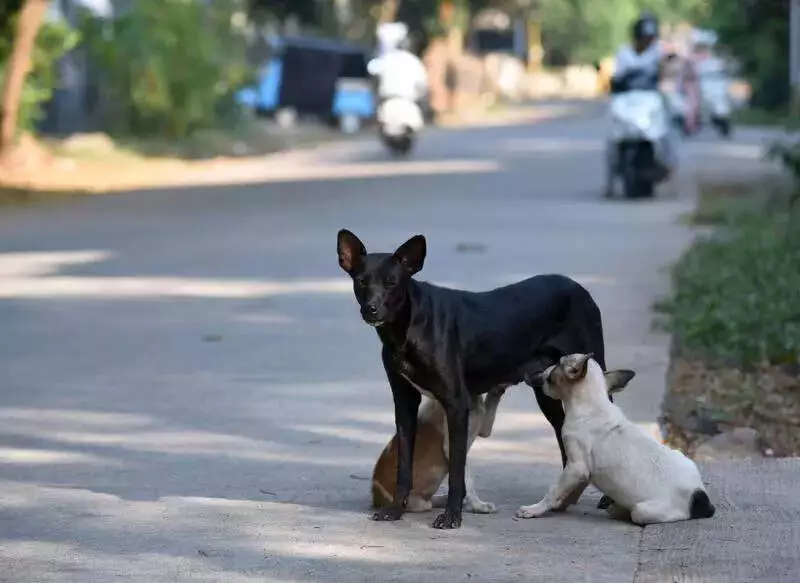
In a significant move to combat rabies, Karnataka Veterinary, Animal and Fisheries Sciences University (KVAFSU) in Bidar is pioneering the development of India's first oral rabies vaccine specifically for stray dogs. This groundbreaking initiative marks a major step forward in public health efforts across the country.
Research Hub in Bengaluru
The research work is currently underway at the Veterinary College located in Hebbal, Bengaluru. Scientists at this facility are leading the charge to create a vaccine that can be administered through food, making it easier to vaccinate stray dog populations.
Collaborative Effort with Premier Institutions
The project enjoys support from several top-tier research organizations. These include the National Institute of Animal Biotechnology in Hyderabad, ICAR–National Meat Research Institute, the National Animal Resource Facility for Biomedical Research, and the National Institute of Veterinary Epidemiology and Disease Informatics in Bengaluru.

Substantial Funding Support
The Union Ministry of Health and Family Welfare has sanctioned funding of Rs 2.8 crore for this initiative. This financial support comes under the National One Health Mission and will cover a three-year period starting in 2025.
Scientific Breakthroughs Already Achieved
Researchers have made significant progress in their laboratory work. They have successfully created the G protein-coding gene clone of the rabies virus. The immunogenic rabies glycoprotein has been confirmed through rigorous testing.
Experimental studies are already in progress using various animal tissues. Scientists are working with chicken gizzard, buffalo liver, and buffalo lungs to test the vaccine's effectiveness. Additionally, researchers are developing a beta vaccine using egg yolk as a key component.
Clinical Trials Approaching
Clinical trials on dogs are expected to begin shortly. These trials will determine the vaccine's safety and efficacy in real-world conditions before wider implementation.
Addressing the Stray Dog Challenge
Dr Shri Krishna Islur, director of the CVA Rabies Laboratory at the Veterinary College in Hebbal, explained the vaccine's specific focus. "We are designing this vaccine with stray dogs as our primary target," he stated. "While pet owners can easily get their dogs vaccinated through injections, stray dogs present a much greater challenge. Our oral vaccine aims to solve this problem by allowing administration through food."
This food-based approach enables dogs to develop immunity against rabies without the need for direct human intervention through injections.
University Leadership Optimistic
KVAFSU Vice-Chancellor Prof KC Veeranna expressed confidence in the project's potential impact. "Our Bengaluru laboratory is leading the development of this oral vaccine," he told reporters. "This innovation has the potential to significantly reduce rabies cases across India by making vaccination of stray dogs more practical and effective."
The development of this oral rabies vaccine represents a crucial advancement in India's fight against rabies. By focusing on stray dog populations through innovative delivery methods, researchers hope to create a sustainable solution to a long-standing public health challenge.