

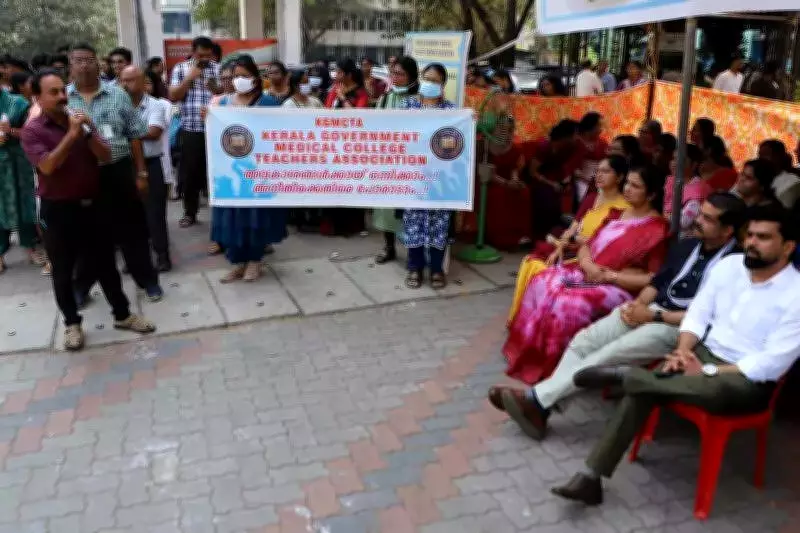
Kerala Government Medical College Doctors Launch Indefinite Outpatient Boycott
In a significant escalation of their ongoing protest, doctors affiliated with government medical colleges across Kerala have initiated an indefinite boycott of all outpatient (OP) services, starting Monday. The action, spearheaded by the Kerala Govt Medical College Teachers Association (KGMCTA), has brought outpatient departments in most state-run medical colleges to a standstill, severely disrupting routine healthcare services for the public.
Strike Paralyzes Outpatient Operations Across State
The boycott has effectively paralyzed the functioning of outpatient services in government medical colleges throughout Kerala. In most hospitals, outpatient departments for numerous specialties remain non-functional, forcing patients to rely on post-graduate students and house surgeons for basic care. The KGMCTA has expressed regret for the inconvenience caused to patients but maintains that the strike was necessitated by prolonged government inaction and a breach of trust.
Essential health services have been explicitly excluded from the boycott, ensuring that critical areas such as emergency departments, labor rooms, urgent surgeries, intensive care units (ICUs), post-mortem examinations, and emergency laboratory services continue to operate without interruption. This measure aims to minimize the impact on life-saving medical care while highlighting the doctors' grievances.

Protests Intensify After 21 Days of Relay Hunger Strike
The current boycott marks a significant intensification of protests that have been ongoing for weeks. Senior doctors from various medical colleges have been participating in a relay hunger strike for the past 21 days, yet these efforts have failed to yield any tangible results from the government. Frustrated by the lack of progress, the doctors have now escalated their actions to include an indefinite boycott of both outpatient services and teaching duties.
Dr. Rosnara Beegam T., the state president of KGMCTA, noted that while partial relief was provided by addressing salary shortfalls for entry-level cadres, the core demands remain largely unaddressed. "Despite multiple discussions with authorities and ministers from the health and finance departments, no satisfactory outcomes have been achieved," she stated, explaining the decision to intensify the protests.
Key Demands Driving the Doctors' Protest
The doctors are advocating for several critical reforms, which they argue are essential for improving healthcare delivery and working conditions. Their primary demands include:
- Immediate payment of withheld salary revisions that have been pending for an extended period.
- Revision of an unscientific pension ceiling that currently limits retirement benefits.
- Creation of new posts and appointments based on actual patient numbers in medical colleges to address staffing shortages.
- Provision of adequate infrastructure to support modern medical practices and patient care.
Future Escalation Plans if Demands Remain Unmet
The KGMCTA has issued a stern warning that if their legitimate demands are not accepted and concrete decisions made by the government, they will be compelled to take further drastic measures. The association plans to:
- Halt all non-emergency surgeries and other medical procedures indefinitely, starting from February 19.
- Withdraw from all examination duties from February 26, potentially affecting academic schedules and student evaluations.
These planned escalations underscore the doctors' determination to secure a resolution, as they believe continued government inaction undermines both their professional rights and the quality of healthcare services in Kerala. The situation remains fluid, with patients and healthcare systems bracing for potential further disruptions if negotiations fail to progress.






