

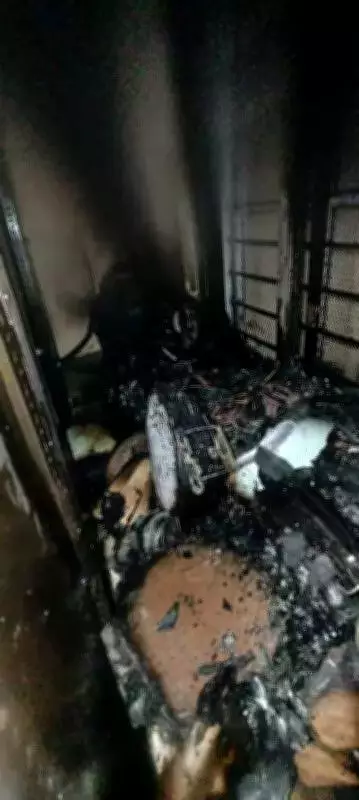
Fire at Nimhans Medical Records Department Destroys Over 1,000 Patient Files
A significant fire broke out in the medical records department (MRD) of the National Institute of Mental Health and Neurosciences (Nimhans) in Bengaluru on March 13, resulting in the destruction of more than 1,000 patient files and registers. The incident occurred around 6:30 PM, shortly after the department had closed for the day, raising immediate concerns about data security and patient care continuity.
Emergency Response and Initial Damage Assessment
Firefighters from the state fire and emergency services department were alerted at 6:59 PM and arrived at the hospital by 7:06 PM. According to G Ravikumar, a firefighter involved in the operation, the team managed to extinguish the blaze and return by 10:25 PM. Dr Shashidhara HN, the resident medical officer at Nimhans, reported that smoke was first noticed emanating from the MRD windows, prompting swift action including the activation of sprinklers, which helped contain the fire and prevent it from escalating into a major disaster.
Dr Shashidhara emphasized that the fire caused only superficial damage, affecting a few hundred patient record files and some registers, with no complete destruction or casualties reported. He also highlighted that the hospital has a digital hospital information system, introduced in July 2025, which ensures most records are backed up electronically, potentially mitigating some of the impact on patient care.

Contradictory Reports and Legal Implications
Despite official assurances, sources within the hospital have provided a more alarming account of the damage. Anonymous sources revealed that seven racks were completely burnt to ashes, each containing at least 60 files. This suggests the loss could be far greater than initially acknowledged. More critically, the destroyed or damaged records are said to include sensitive medico-legal and court case files, as well as records related to prison inmates referred for mental health evaluations.
This raises serious legal implications, as the loss of such documents could hinder ongoing legal proceedings and compromise patient confidentiality. The sources also disputed the claim that only handwritten prescriptions by senior doctors were affected, indicating a broader and more severe impact on patient documentation.
Investigation into Causes and Future Precautions
An inspection conducted by hospital authorities, including an external biosafety and fire safety expert, identified two potential causes for the fire: overheating from an old tubelight choke or a malfunctioning exhaust fan. Dr Arvinda HR, the medical superintendent at Nimhans, stated that the suspected cause is an electrical short circuit, though this remains a preliminary assessment.
Notably, no FIR has been filed in connection with the incident, as authorities cite no loss of life, injury, major property loss, or suspicion of foul play. However, Dr Shashidhara outlined future precautions to prevent similar occurrences. These include replacing old tubelights with LED lighting, supported by a government action plan and grant, and reorganizing MRD storage and furniture to reduce dense packing, thereby minimizing the risk of fire spread in the future.
Impact on Patient Care and Institutional Accountability
While hospital officials maintain that patient care will not be adversely affected due to the digital backup system, the loss of physical records, particularly those with legal significance, poses a challenge. The incident underscores the vulnerabilities in managing sensitive medical data and highlights the need for robust fire safety protocols in healthcare institutions.
The fire at Nimhans serves as a stark reminder of the importance of safeguarding patient information, especially in a digital age where physical and electronic records must coexist securely. As investigations continue, the focus will likely shift towards implementing the proposed safety measures and addressing the potential legal fallout from the destroyed files.






