

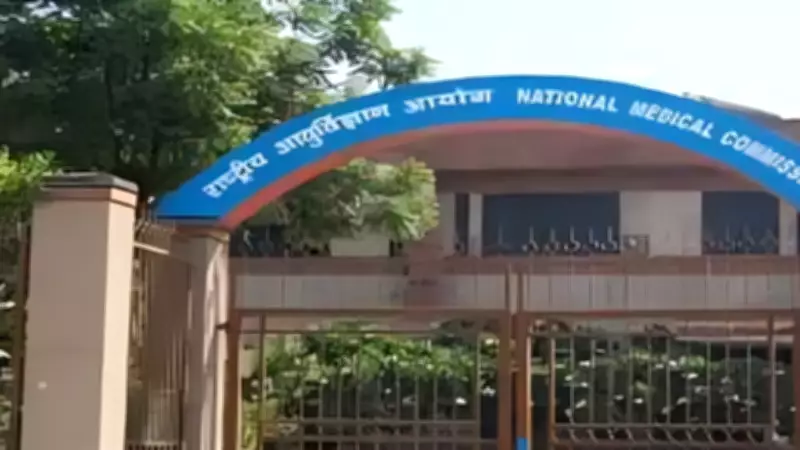
National Medical Commission Implements Digital Shift in Medical College Evaluation
The National Medical Commission (NMC) is fundamentally transforming how medical colleges across India are evaluated and regulated. Moving away from traditional reliance on physical inspections and paper-based documentation, the regulator is now implementing a comprehensive digital verification system to objectively assess clinical workload and performance.
Digital Infrastructure Requirements for Medical Institutions
In a significant regulatory directive, the NMC has mandated all medical colleges to submit their hospitals' unique Health Facility Registry (HFR) identification numbers within a strict seven-day timeframe. Additionally, institutions must provide detailed status reports regarding their hospital software systems' integration with the Ayushman Bharat Digital Mission (ABDM) platform and the National Health Authority's PM-JAY portal.
This digital transition represents a paradigm shift in medical education oversight, according to senior officials familiar with the initiative. The verification of clinical workload—encompassing patient treatment volumes, admission handling capacities, and procedural performance metrics—has long been recognized as a critical parameter for regulatory decisions. These include annual renewal approvals, new course authorizations, and expansions of MBBS and postgraduate seat allocations.

Objective Verification Through Technology Integration
"Medical colleges have always understood that clinical workload constitutes a fundamental regulatory requirement," explained a senior NMC official. "What distinguishes our current approach is the systematic utilization of information technology tools to verify this workload with greater objectivity and transparency."
Every hospital facility in India possesses a distinctive Health Facility Registry identification number. By systematically collecting these HFR IDs and examining their linkage status with national digital health platforms, the Commission will establish a robust mechanism for cross-verifying clinical data through existing technological infrastructure.
Existing Digital Foundations and Implementation Strategy
Most teaching hospitals, functioning as tertiary care centers, already maintain connections with the PM-JAY portal due to their participation in government health scheme procedures. Regulatory officials have clarified that this initiative does not mandate immediate new technological linkages but focuses on gathering verified institutional details to enable more systematic data monitoring capabilities.
Historically, verification processes have predominantly depended on self-declarations submitted by medical colleges supplemented by periodic physical inspections. The NMC's strategic move toward digitally verifiable parameters aims to substantially strengthen regulatory oversight while reducing subjective assessment elements.
Patient Impact and Administrative Focus
The Commission has explicitly stated that this administrative exercise does not directly affect patient care or treatment protocols. The digital platforms referenced in the directive are already operational for government health schemes, with the current initiative specifically targeting regulatory assessment enhancement rather than clinical service modification.
With the seven-day submission deadline clearly established, the regulator's message is unequivocal: future evaluations of medical colleges will increasingly depend on digitally verifiable data accessible through online platforms, moving beyond exclusive reliance on traditional inspection reports and manual documentation.
Broader Implications for Medical Education Regulation
This digital transition represents a significant advancement in medical education quality assurance, potentially establishing new standards for transparency and accountability in healthcare training institutions. The integration of technological verification methods promises to create a more robust, data-driven regulatory framework that can adapt to evolving healthcare delivery models and educational requirements.

The implementation of these digital assessment protocols marks a decisive step toward modernizing India's medical education oversight system, aligning regulatory practices with technological advancements in healthcare documentation and verification methodologies.





