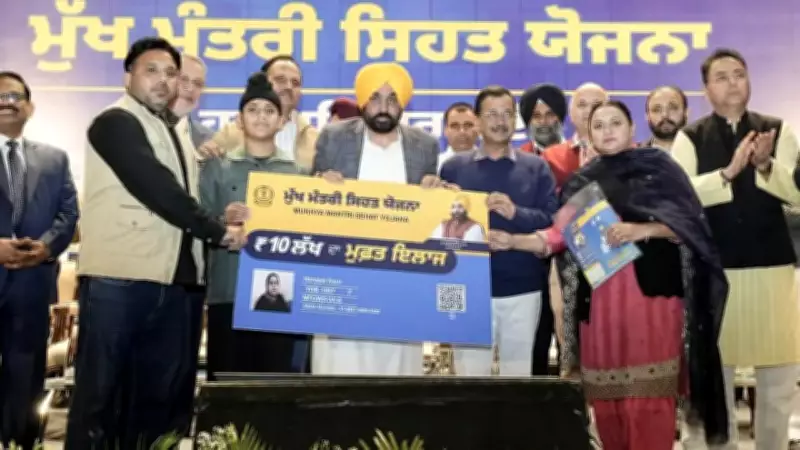
The Punjab government announced on Tuesday that it is enhancing high-risk maternal and neonatal care under the Mukh Mantri Sehat Yojana. As of May 25, more than 5,300 high-risk caesarean deliveries and approximately 2,094 neonatal care cases have been treated cashlessly under the scheme.
Scheme Coverage and Expenditure
According to the State Health Agency (SHA), the total expenditure under the scheme has reached Rs 7.04 crore, covering 7,300 maternity and neonatal cases. High-risk caesarean deliveries accounted for 5,300 of these cases, with an expenditure of Rs 6.37 crore, highlighting improved access to emergency obstetric care.
High-Risk Pregnancies in India
A study based on the National Family Health Survey (NFHS-5) revealed that nearly one in two pregnancies in India is classified as high-risk. Contributing factors include low education levels, poverty, short intervals between pregnancies, and prior complications.

Surgical Interventions Supported
The scheme has facilitated surgical interventions for complicated pregnancies resulting from prolonged labour, maternal health conditions, foetal distress, and previous caesarean sections. Beneficiaries have expressed relief under the cashless system. Deepika, a 28-year-old from Patiala, shared that she underwent a successful caesarean delivery after complications such as anaemia. Her husband Manoj remarked, "We were very happy that the procedures went smoothly and stress-free with the cashless card."
Neonatal Care Details
SHA data showed that 2,094 infants received treatment under various packages. This included 881 infants under Basic Neonatal Care, 777 under Special Neonatal Care, 207 under Intensive Neonatal Care, 116 under Advanced Neonatal Care, 64 under Critical Neonatal Care, and 18 under prolonged care, including 17 chronic cases.
The scheme has seen approximately 44.8 lakh registrations across Punjab, underscoring its widespread adoption and impact on maternal and child health in the state.