

Supreme Court Mandate on Free Sanitary Pads to Transform Girls' Educational Landscape
In a landmark decision, the Supreme Court of India has issued a directive requiring the provision of free sanitary pads in schools across the nation. This ruling is poised to significantly improve the well-being of adolescent girls, directly addressing a critical barrier to education and health.
Addressing Menstrual Health and Hygiene
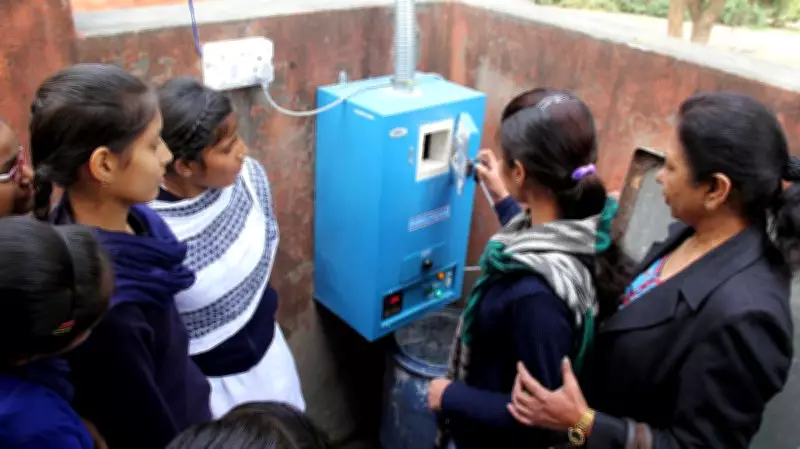
The court's order mandates that all schools, particularly in government and aided institutions, must ensure the availability of sanitary pads at no cost to female students. This initiative targets the pervasive issue of menstrual hygiene management, which has long been neglected in educational settings. By providing these essential products, the ruling aims to reduce the stigma and discomfort associated with menstruation, thereby promoting better health practices among young girls.
Combating School Dropouts and Absenteeism
One of the primary objectives of this directive is to curb the high rates of absenteeism and dropouts among girls during their menstrual cycles. Studies have consistently shown that lack of access to sanitary products forces many girls to miss school days, leading to academic setbacks and, in severe cases, permanent withdrawal from education. The Supreme Court's intervention is expected to mitigate these challenges by ensuring that girls can attend school regularly without interruption.

- Enhanced menstrual health and hygiene for millions of school-going girls.
- Reduction in school absenteeism rates, particularly in rural and underserved areas.
- Prevention of dropouts, contributing to higher female literacy and educational attainment.
- Promotion of gender equality by addressing a specific health need that affects girls' participation in education.
Implementation and Challenges Ahead
While the ruling is a significant step forward, its successful implementation will require coordinated efforts from central and state governments, as well as school administrations. Key challenges include ensuring consistent supply chains, training staff on menstrual health awareness, and monitoring compliance to avoid gaps in service delivery. The court has emphasized the need for periodic reviews to assess the effectiveness of this initiative and make necessary adjustments.
This decision aligns with broader public health and educational goals, reflecting a growing recognition of the intersection between health, education, and gender rights. By prioritizing menstrual hygiene, the Supreme Court's order not only aims to improve immediate well-being but also to foster long-term societal benefits through increased female empowerment and educational equity.






