

Tamil Nadu Maintains National Leadership in Deceased Organ Donation
Tamil Nadu has solidified its position as India's frontrunner in deceased organ donation, with the state recording an impressive 57 cases in just the first two months of 2026. This translates to nearly one donation per day, showcasing a remarkable and sustained effort in this critical healthcare initiative. The program is meticulously overseen by the Transplant Authority of Tamil Nadu (Transtan), which has been instrumental in building and maintaining this life-saving system.
Historical Foundation and Recent Surge
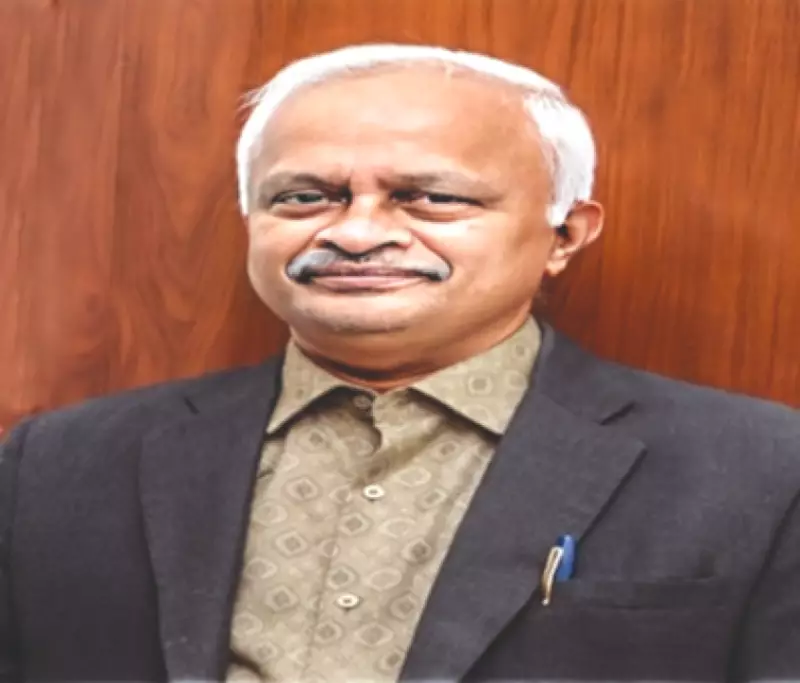
While much of the country was still grappling with the concept, Tamil Nadu began constructing a structured deceased organ donation framework as early as 2008. This early start provided a strong foundation. Although the initiative experienced a temporary slowdown during the Covid-19 pandemic, it was subsequently revitalized and strengthened through a collaborative approach. Policymakers, bureaucrats, technocrats, media professionals, and civil society came together to reinforce the program. According to Transtan member-secretary N. Gopalakrishnan, the model has now achieved true sustainability, firmly grounded in scientific principles and unwavering ethical values.
Key Initiatives Driving Growth
Several strategic initiatives have been pivotal in driving this growth. The introduction of 'honour walks' and the implementation of Government Order 331, which mandates state honours for deceased organ donors, have significantly reshaped public perception. Since 2023, approximately 652 honour walks have been conducted, honoring donors and their families. Furthermore, seamless coordination among various departments and the police force to create 'green corridors' ensures the swift and safe transport of organs, which is crucial for successful transplants.

Engaging medical students as ambassadors for organ donation has also been a key strategy, fostering awareness from within the healthcare community. The launch of the Vidiyal mobile and web application in 2021 has revolutionized the process by streamlining organ allocation and ensuring complete transparency, thereby building public trust.
A Unique and Ethical Model
Tamil Nadu is among the few states in India to adopt such a comprehensive model. While some other states have implemented similar practices, they often include modifications like offering monetary benefits. Transtan has consciously avoided this approach to ensure that organ donation remains a noble, altruistic act and is not trivialized by financial incentives.
The Critical Role of Public Trust and Consent
Transparency and voluntary consent are the cornerstones of Tamil Nadu's program. No family is ever coerced into agreeing to organ donation. Consent is obtained solely through sensitive and thorough counseling sessions. The acceptance rate is remarkably high, with 75% of families agreeing after the first counseling round, and this figure rises to around 80% after a second session. This high acceptance rate underscores the trust the public places in the system.
Expanding Reach Beyond Private Institutions
Over the past two years, organ donations at government hospitals have matched or even surpassed those at private institutions. A notable example this year is the Government Dharmapuri Medical College Hospital, a non-transplant organ retrieval center, which recorded the highest number of donations. This demonstrates the program's successful penetration into the public healthcare system.
Addressing Misconceptions About Donor Sources
While Tamil Nadu unfortunately records a high number of accidents, it is important to clarify that organ donations are not limited to trauma-related brain deaths. The state also sees a significant number of non-trauma deceased donors, indicating a broad-based and diverse donor pool that contributes to the program's success.
The sustained leadership of Tamil Nadu in deceased organ donation serves as a powerful model for other states, highlighting how structured policy, ethical practices, and public engagement can save countless lives.






