Whenever universities receive major donations, the headlines focus on the numbers. Buildings are renamed, ceremonies held, and donors praised. However, some donations have a deeper impact beyond campus recognition.
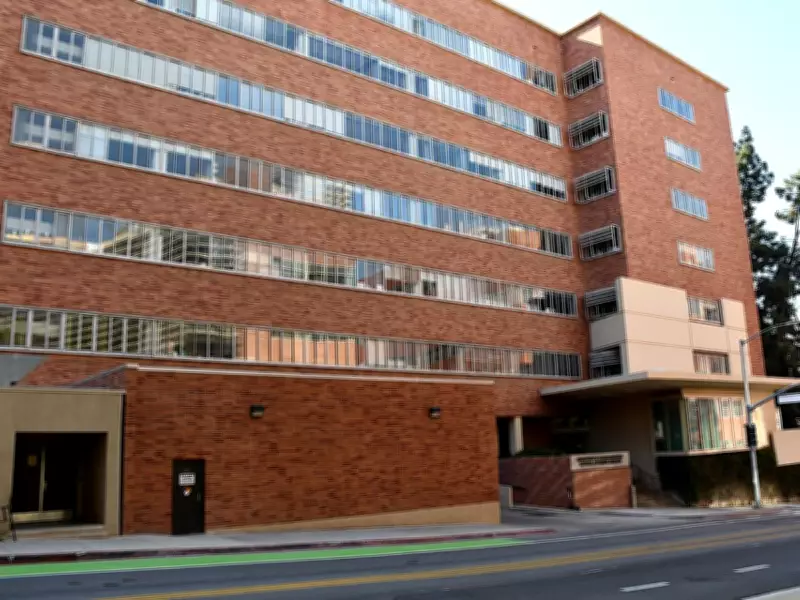
That was the case in 2012 when Dr. Jonathan Fielding, a public health leader, and his wife Karin Fielding made a $50 million gift to UCLA's School of Public Health. It was the largest donation in the school's history, prompting its renaming to the UCLA Jonathan and Karin Fielding School of Public Health. More than a decade later, this gift remains relevant as public health systems continue to struggle with prevention funding.
More Than Just a Naming Gift
Universities typically accept donations for infrastructure, scholarships, or research projects. The Fielding donation stands out due to its scale and long-term purpose. The university stated that the endowment was to fund staff, students, and educational infrastructure, and to establish a population health chair. This chair encourages research assessing how housing, education, transportation, and other social factors impact health. This approach reflects a broader understanding of 21st-century public health, recognizing that hospitals and doctors' offices alone cannot address all modern health challenges. Increasingly, researchers find that where people live, work, and attend school profoundly affects health outcomes.

This wider understanding of social determinants of health is supported by the World Health Organization, which acknowledges that issues like housing, education, income, and service availability significantly impact health and wellness.
Prevention: Why It Gets So Little Attention
Public health often gains attention only during crises. The COVID-19 pandemic highlighted the importance of disease surveillance, crisis planning, and public health infrastructure. However, most public health work occurs quietly, long before the public notices. Jonathan Fielding's career exemplifies this. During his tenure leading the Los Angeles County Department of Public Health, he addressed issues from food-borne illness and disaster preparedness to chronic disease prevention.
The unfortunate reality is that successful prevention is invisible. It is the work done to prevent dramatic headlines associated with infectious diseases and other health issues. Consequently, generating funding for prevention is often more difficult than funding crisis response.
Long-Term Capacity Building
Endowments provide institutions with consistency that annual budgets often lack. Instead of living within strict year-by-year budgets, the endowment enables university leaders to plan programs for research, students, and faculty recruitment over long periods. UCLA's mission includes educating the next generation of leaders, advancing research, and informing policy. Sustained funding supports this goal over decades rather than months. The Fielding endowment remains a prominent part of UCLA's institutional history, highlighted in a 60th anniversary retrospective as the largest donation in the school's history.
The Ripple Effect of Philanthropy
The donation's impact extended beyond renaming. In 2021, the university named environmental health researcher Dr. Lara Cushing as the inaugural Fielding Presidential Chair in Health Equity. This endowed position, funded through additional contributions from the Fieldings, promotes research on environmental health and justice among vulnerable communities. Cushing's work focuses on environmental inequities, air quality, and climate change impacts that disproportionately affect communities. Her appointment demonstrates that major philanthropic support can expand beyond its original context to support new areas of public health research.

A Lesson That Continues to Hold Value
The Fielding donation's significance goes beyond the $50 million amount. What matters is what it reveals about a certain type of philanthropy. Public health institutions must deal with potential threats that may not make the news because they have been effectively mitigated. This requires the kind of capacity that the donation helps provide. UCLA still considers the donation a benchmark moment 14 years later, designed to support research, education, and public health leadership for decades. In an era of pandemics, climate change, and health equity concerns, the donation represents an investment in prevention, not crisis.