

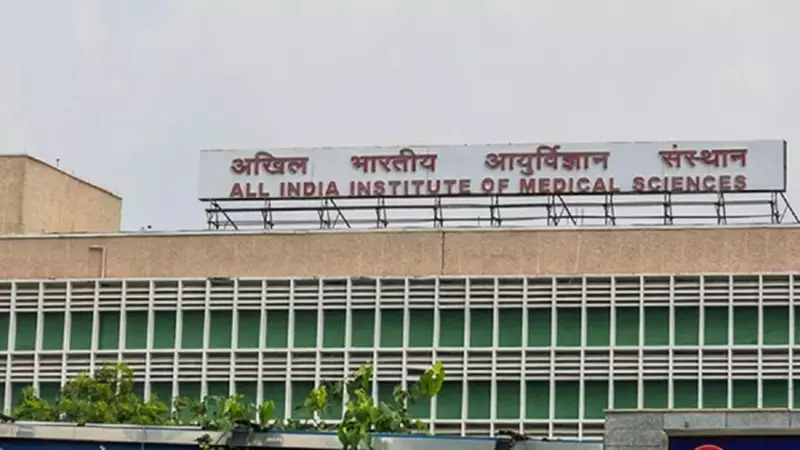
In a significant boost for epilepsy care, the All India Institute of Medical Sciences (AIIMS) in New Delhi has launched a vital free service for its patients. From January 1, the premier hospital began offering free Therapeutic Drug Monitoring (TDM) for individuals undergoing treatment at the institute.
Ending Financial Burden for Patients
This initiative directly tackles a major financial hurdle faced by patients. Until now, those needing to monitor the levels of anti-epileptic drugs in their blood were forced to use private laboratories, where each test could cost anywhere between ₹390 and ₹1,880. Medical professionals at AIIMS noted that this high expense often acted as a deterrent, preventing patients from getting the routine tests necessary for safe and effective treatment. The lack of regular monitoring frequently led to poorer health outcomes.
How the In-House Facility Works
The new in-house facility allows doctors to precisely measure blood concentrations of key anti-epileptic medications. The service covers commonly prescribed drugs like:

- Phenobarbitone
- Carbamazepine
- Valproic Acid
- Phenytoin
This monitoring is crucial to determine if a patient's dosage is effective, needs adjustment, or is potentially reaching toxic levels. The AIIMS administration has issued directives to all its departments and centres, including the National Cancer Institute (NCI), to send patient samples to the designated in-house laboratory. The free test service is available for both inpatients and Outpatient Department (OPD) patients.
Expanding Access and Improving Care
According to the AIIMS media cell, TDM is a critical component of managing epilepsy, especially for patients on multiple medications. Regular checks enable clinicians to optimise seizure control while minimising harmful side effects and drug toxicity. For OPD patients at AIIMS New Delhi, samples can be submitted at Collection Centre Room No. 3 between 8:30 AM and 1:00 PM.
The reach of this service is also being extended beyond the main campus. Patients at the NCI in Jhajjar will soon have access to the same free testing facility. Hospital officials state the move is aimed at a dual benefit: improving the quality of care and reducing out-of-pocket expenditure for patients. With this barrier removed, clinicians anticipate better treatment adherence and safer, more effective long-term management of epilepsy across the board.






