

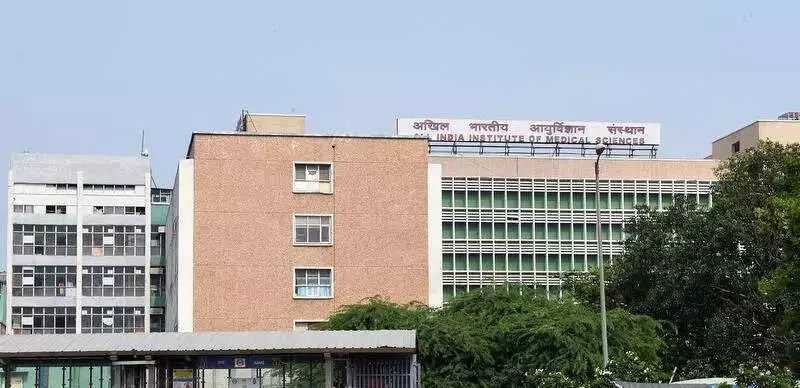
In a significant healthcare initiative, the All India Institute of Medical Sciences (AIIMS) in New Delhi has begun offering free Therapeutic Drug Monitoring (TDM) for epilepsy patients receiving treatment at the institute. This service, which started on January 1, is set to provide major financial relief and improve clinical outcomes for countless patients.
Ending Financial Burden for Patients
Until this new facility was launched, patients had to rely on private laboratories for these crucial tests, incurring significant costs. The price for monitoring blood levels of anti-epileptic drugs ranged from ₹390 to ₹1,880 per test, depending on the specific drug being analyzed. Medical professionals at AIIMS noted that this expense often acted as a barrier, discouraging patients from undergoing the routine monitoring necessary for effective treatment. The lack of regular checks frequently led to suboptimal dosing, adversely affecting seizure control and overall health.
How the In-House Facility Works
The newly established in-house laboratory at AIIMS will measure the concentration of key anti-epileptic drugs in a patient's blood. The facility will specifically monitor levels of phenobarbitone, carbamazepine, valproic acid, and phenytoin. This monitoring is vital as it helps doctors determine if the prescribed dose is within the therapeutic range, needs adjustment for better efficacy, or has reached potentially toxic levels.

To ensure widespread implementation, the AIIMS administration has issued directives to all its departments and centres, including the National Cancer Institute, to send patient samples to this designated lab. The benefit is extended to both inpatient and Outpatient Department (OPD) patients, making it accessible to a broad spectrum of individuals undergoing epilepsy management at the institute.
Improving Treatment and Reducing Costs
According to the AIIMS media cell, Therapeutic Drug Monitoring plays a critical role in managing epilepsy, especially for patients on multiple medications. Regular monitoring allows clinicians to fine-tune prescriptions, optimizing seizure control while simultaneously minimizing side effects and the risk of drug toxicity.
Hospital officials state that the primary goals of this move are to enhance the quality of care and reduce out-of-pocket expenditure for patients. By removing the cost barrier, clinicians anticipate much better adherence to treatment protocols and safer, more effective long-term management of epilepsy. This initiative represents a concrete step towards making advanced, personalized healthcare more accessible and affordable within a premier public health institution.






