

Apollo Hospitals Study Reveals Alarming Heart Health Trends in Young Visakhapatnam Residents
A recent investigation by cardiologists at Apollo Hospitals in Visakhapatnam has uncovered disturbing evidence about heart health in younger populations. The research indicates that the threat of heart disease might start developing far sooner than commonly assumed, even among individuals who appear perfectly healthy and exhibit no outward symptoms.
Silent Danger Found in Seemingly Healthy Individuals
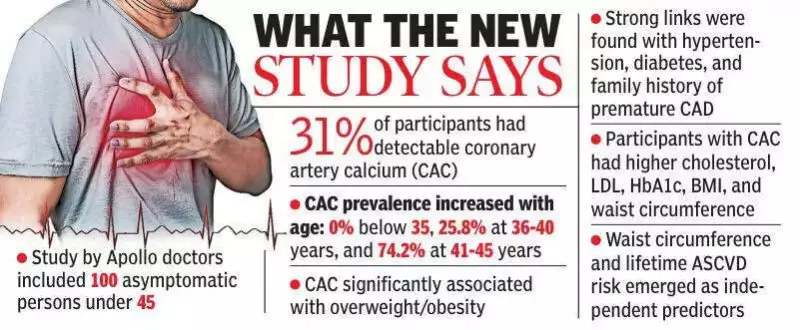
The medical team examined one hundred apparently healthy people below the age of forty-five. All participants visited routine health check-up clinics and reported no symptoms like chest pain or breathlessness. Despite their healthy outward appearance, doctors conducted specialized CT scans to measure coronary artery calcium, or CAC.
The results were startling. Nearly one-third of these young, symptom-free individuals showed calcium deposits in their heart arteries. Coronary artery calcium serves as an early warning signal for atherosclerosis, a condition where arteries narrow and harden due to plaque accumulation.

In precise terms, thirty-one percent of participants had some level of calcium build-up. The prevalence increased dramatically with age. Researchers found no calcium in participants under thirty-five years old. However, about twenty-six percent of those aged thirty-six to forty displayed deposits. The figure jumped sharply to nearly seventy-four percent for individuals in the forty-one to forty-five age bracket.
This clear progression demonstrates that heart disease risk escalates rapidly as people approach their forties, even when they feel completely well and notice no health issues.
Key Risk Factors Identified by Researchers
The cardiologists pinpointed several factors strongly associated with the presence of coronary artery calcium. People carrying excess weight faced a significantly higher risk. Other major contributors included high blood pressure, diabetes, elevated cholesterol levels, increased waist circumference, and a family history of early heart disease.
Comparing individuals with and without calcium deposits revealed notable differences. Those with CAC had higher levels of LDL, often called bad cholesterol. They also showed increased blood sugar levels, measured by HbA1c, and larger waist measurements.
Study Authors and Publication Details
Dr Nanda Kishore Panigrahi, Dr Rajesh Ponnada, Dr Anuradha Darimireddi, and Dr Shashanka Chanduri conducted this important study. Their work appears in the Indian Heart Journal, published by the Cardiological Society of India.
One crucial finding highlighted that waist circumference and the lifetime risk of heart disease acted as independent predictors for coronary artery calcium. This connection suggests abdominal fat and long-term lifestyle habits play a vital role in causing early damage to the heart.
A Critical Message for Public Health
The study delivers a powerful message: heart disease no longer affects only older individuals. Nearly one out of every three young adults in this research already exhibited signs of early artery damage. In some cases, these changes began before the age of forty.
This situation is particularly concerning because such arterial changes often remain undetected until a major cardiac event, like a heart attack, occurs unexpectedly.
Potential for Early Screening and Prevention
Medical professionals suggest that CAC screening could help identify high-risk individuals at an early stage, especially those with multiple risk factors. Early detection opens the door for timely lifestyle interventions.
Adopting a healthier diet, engaging in regular physical activity, maintaining a healthy weight, and properly managing blood pressure, blood sugar, and cholesterol levels might prevent serious heart problems later in life. This proactive approach could change health outcomes for many young people.






