

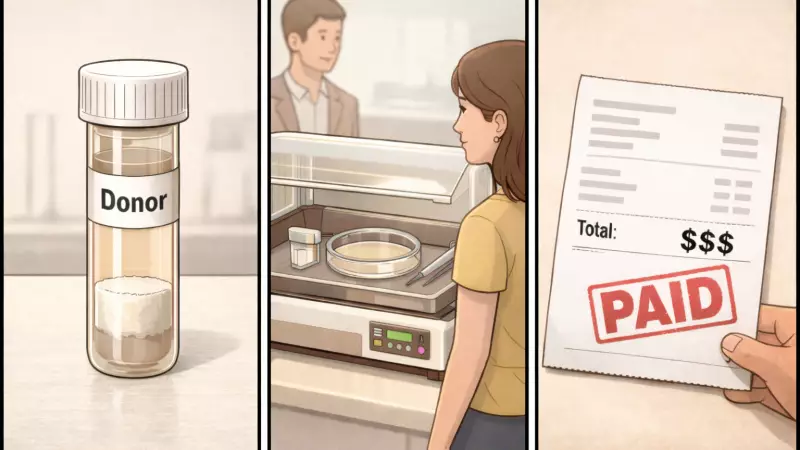
In a move that has sent shockwaves through the global fertility industry, a billionaire has placed his sperm on the market, accompanied by an open offer to pay for the entire in-vitro fertilization (IVF) procedure. This unprecedented event, reported on December 31, 2025, starkly contrasts with the anonymized, highly regulated norms of sperm donation worldwide.
The Standard World of Anonymous Donation
Traditionally, fertility clinics operate on principles of anonymity and regulation. Donor sperm is meticulously catalogued based on a set of impersonal, physical, and educational criteria. Standard profiles include details like blood group, height, eye colour, and academic background. This system is designed to strip donors of personal identity, a practice intended to maintain ethical boundaries, ensure unpredictability in reproduction, and keep the process contained within strict medical and legal frameworks. The donor remains a number, a file, deliberately separated from the recipient family.
A Billionaire Breaks the Mold
The recent development shatters this established protocol. Here, the vial of sperm comes attached not to an anonymous code, but to a recognisable face and a billionaire's name. This level of direct identification is exceptionally rare. Even rarer is the accompanying financial proposition: the individual has made an open offer to cover the full cost of the IVF treatment for those who choose his donation. This act moves the transaction from a clinical, anonymous service into a highly personal and publicly identifiable realm, raising immediate questions about motive, influence, and the commodification of elite genetics.

Implications and Ethical Quandaries
This event forces a re-examination of the core ethics governing assisted reproduction. The existing model prioritizes donor anonymity to prevent future claims, maintain family integrity, and avoid creating a market for "designer" babies based on donor celebrity or status. The billionaire's entry into this space challenges all these safeguards. It introduces a powerful element of financial incentive and social prestige into the decision-making process for prospective parents. Experts are now debating the potential consequences, which could range from setting a dangerous precedent for the commercialization of human reproduction to simply offering a new, albeit controversial, choice for families. The central question remains: does this empower individuals with more options, or does it risk undermining the ethical foundations that protect all parties involved in donor conception?
The global medical and bioethics community is now closely watching the fallout from this December 2025 revelation. The incident promises to fuel ongoing debates about privacy, inequality, and the future of human reproduction in an era where money and fame seek to influence even the most intimate beginnings of life.






