

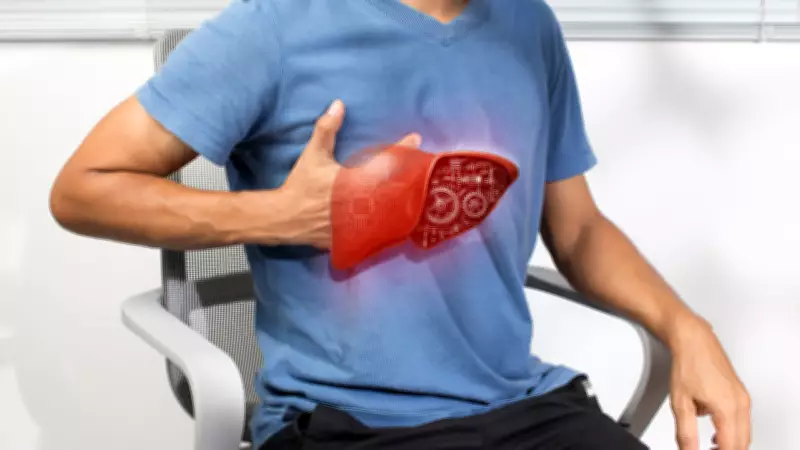
Borderline Liver Reports: When 'Slightly High' LFT Signals Silent Danger
A routine blood test reveals a concerning note: Liver Function Tests (LFT) slightly elevated. There is no discomfort, no yellowing of the eyes, and no noticeable weakness. It is tempting to disregard this finding, but medical experts emphasize that the liver rarely announces problems loudly in the initial stages. Instead, it whispers warnings through subtle biochemical changes.
The Silent Nature of Early Liver Issues
Liver Function Tests measure enzymes such as ALT and AST in the bloodstream. When these levels rise, even marginally, they indicate that liver cells might be experiencing stress. In India, healthcare professionals are observing an increasing number of individuals with borderline liver reports, typically identified during annual health check-ups or corporate wellness screenings.
Dr. Suranjit Chatterjee, an Internal Medicine specialist at Apollo Hospital, explained to health media, "Silent liver diseases are prevalent in early phases. The liver possesses a remarkable compensatory ability. Consequently, abnormalities in liver function tests can manifest well before physical symptoms emerge. Borderline elevations of liver enzymes like ALT and AST should never be taken lightly."

The absence of overt symptoms does not equate to the absence of underlying damage. The liver executes over 500 critical functions, including toxin filtration, nutrient processing, bile production, and blood sugar regulation. Its extraordinary regenerative capacity, while a strength, can also be a weakness. Because it can compensate for early injury, a person might lose a substantial portion of liver function before experiencing any noticeable signs. By the time fatigue, swelling, or jaundice appear, the condition may have already progressed significantly.
Modern Causes of Borderline LFT Values in India
Dr. Chatterjee highlighted, "Mild abnormalities in liver function tests resulting from fatty liver disease, obesity, diabetes, medication effects, excessive alcohol consumption, and the use of over-the-counter supplements are increasingly common among patients at our centers in India." This list mirrors contemporary lifestyle challenges:
- Sedentary occupations and prolonged screen time
- High consumption of refined carbohydrates and fried foods
- Escalating rates of type 2 diabetes
- Social drinking becoming more frequent
- Unregulated protein powders and herbal supplements
The World Health Organization has underscored the growing global burden of non-alcoholic fatty liver disease, closely associated with obesity and metabolic syndrome. Essentially, the liver is reacting to daily overload from modern habits.
When 'Slightly High' Transitions to Dangerous
Not every borderline value indicates immediate peril, but patterns are crucial. A single mild elevation might resolve spontaneously. Persistent elevation over several months or rising trends are more alarming. If ALT and AST levels remain elevated despite lifestyle adjustments, physicians investigate further.
Dr. Chatterjee cautioned, "It is incorrect to assume that feeling fine means your liver is fine. If warning signs are ignored in early stages, they can gradually progress into liver inflammation and other forms of liver injury." Untreated fatty liver can advance to:
- Non-alcoholic steatohepatitis (NASH)
- Liver fibrosis
- Cirrhosis
- Rarely, liver cancer
This transition is slow but genuine, often commencing with a number that appears "just a little high." According to the Indian Council of Medical Research (ICMR), non-alcoholic fatty liver disease is emerging as a major public health concern in India, particularly in urban populations. ICMR-supported studies indicate that a significant proportion of adults undergoing routine screening exhibit fatty liver changes without symptoms.
Immediate Steps: Repeat, Review, Reassess
The initial response should not be panic but proactive action. Dr. Chatterjee elaborated, "The first step is to repeat the liver function test after a few weeks. It is also essential to review medication and alcohol intake." Medical professionals typically advise:

- Repeating LFT after 4-6 weeks
- Discontinuing non-essential supplements
- Reducing or eliminating alcohol consumption
- Reviewing long-term medications
Sometimes, enzyme levels normalize independently. If they do not, further investigations may include ultrasound, viral hepatitis screening, or metabolic evaluation. The Ministry of Health and Family Welfare, under the National Viral Hepatitis Control Program, also recommends screening for hepatitis B and C in individuals with abnormal liver enzymes. Early clarity prevents late regret.
Effective Preventive Measures to Protect Liver Health
Prevention is not dramatic; it is disciplined. Dr. Chatterjee added, "It is also recommended to ensure a normal body weight, eat a balanced diet with low amounts of fats and processed foods, and perform physical exercises regularly. Investigating causes for enzyme elevation, such as viral hepatitis and metabolic diseases, is essential." Practical steps include:
- Aiming for 7-10% weight loss if overweight
- Choosing home-cooked meals with minimal oil
- Walking at least 30 minutes daily
- Limiting sugar-sweetened beverages
- Avoiding self-prescribed supplements
Dr. Amit Miglani, Director & HOD – Gastroenterology at Asian Hospital, explained, "Emergency preventive action targets resolving underlying causes. Maintaining healthy weight, consuming a balanced diet low in refined sugars and saturated fats, regular physical exercise, moderating or eliminating alcohol, and avoiding unnecessary over-the-counter drugs are vital. Timely repeat testing, ultrasound when recommended, and viral hepatitis screening detect early progression. Intervention at the borderline stage can be fully reversible, whereas delayed action may lead to irreversible liver damage that often goes unnoticed."
Even modest weight reduction can improve fatty liver markers. Clinical studies demonstrate that sustained lifestyle changes reduce liver fat and inflammation. The liver responds promptly when treated with care.
Psychological Impact and When to Seek Urgent Care
Health reports carry psychological weight. A mildly abnormal value can generate silent anxiety, but perspective is key. A borderline LFT is not a diagnosis of failure; it is a reminder—an early checkpoint many never receive. As public health data show rising metabolic diseases in India, early detection through simple blood tests may prevent severe outcomes years later. The liver does not demand perfection; it demands consistency.
Immediate medical review is necessary if borderline values accompany:
- Yellowing of eyes or skin
- Severe abdominal pain
- Persistent vomiting
- Dark urine and pale stools
- Unexplained swelling
These signs suggest more advanced liver involvement. Otherwise, regular follow-up with a physician remains the safest approach.
Heeding the Liver's Whisper
A slightly elevated LFT often represents the body's earliest warning, appearing before pain, visible illness, or disruption. Ignoring it may permit silent progression, while addressing it early could reverse damage entirely. In a nation where lifestyle disorders are escalating, a small number on a lab report can become a powerful opportunity for positive change. Medical insights from Dr. Suranjit Chatterjee and Dr. Amit Miglani underscore why borderline LFT results can reveal silent liver disease and how timely prevention can safeguard long-term health.





