

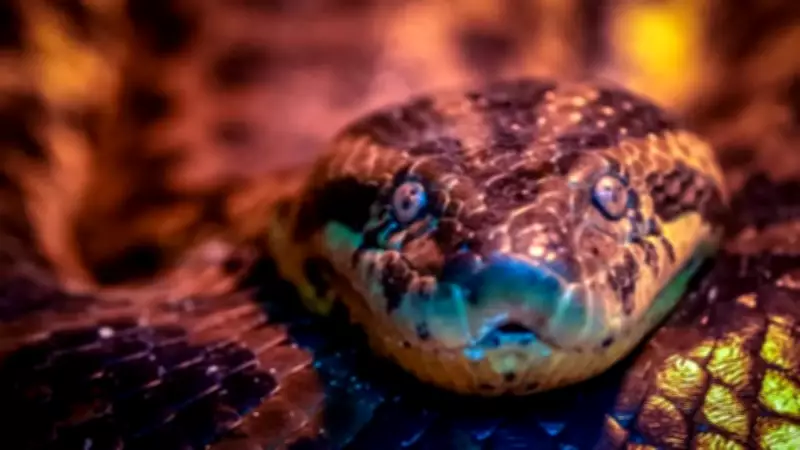
Could a Human Survive an Anaconda Squeeze?
The green anaconda is known as one of the largest and heaviest snakes globally, famous for its size and constricting abilities. Inhabiting swamps, rivers, and tropical rainforests of South America, these snakes have captured public attention through wildlife documentaries, Hollywood movies, and online debates. A common question is whether a person could survive being squeezed by such a massive predator. Wildlife experts clarify that while attacks are rare, anacondas are incredibly strong and built for effective constriction. Understanding their hunting tactics and the mechanics of constriction helps separate science from fiction. Here are five essential facts about anaconda constriction and human survival.
Anacondas Kill with Constriction, Not Bone-Crushing
A widespread myth is that anacondas crush bones to kill their prey. In reality, constrictor snakes rarely break skeletons; they squeeze just enough to restrict breath and blood circulation. Gradually tightening each time the prey exhales or moves, anacondas apply immense pressure to the chest and circulatory system. Larger animals may lose consciousness quickly due to disrupted blood flow.
Human Attacks Are Rare in the Wild
Despite their menacing reputation, anaconda attacks on humans are extremely rare. These snakes prefer prey like fish, birds, capybaras, caimans, and small mammals. Wildlife specialists state that anacondas generally do not attack humans unless frightened or provoked. Encounters usually occur when people accidentally enter their territory or attempt to pose with them for photos.

Anaconda Muscles Are Extremely Powerful and Dangerous
Though attacks are uncommon, large anacondas possess tremendous muscular strength, making them potentially lethal if constriction occurs. Their muscles are highly developed to grasp and hold slippery prey underwater. Once tightened, anaconda coils are extremely difficult to release. Professional wildlife experts advise against interacting with any constrictor snakes under any circumstances.
Rapid Assistance Is Needed for Survival
In a hypothetical dangerous encounter, a person's chance of survival depends on quick help and separation. Constriction is gradual, increasing with the snake's panic or movement. Experts recommend techniques involving several people to restrain the snake properly. Attempting to resist alone can be very dangerous.
Disclaimer: The information above is general and for informative purposes only. Individual behavior and strength of wild animals vary by species and situation. People should always keep away from wild snakes and seek help from experienced wildlife specialists and forest rangers in case of encounters.

