

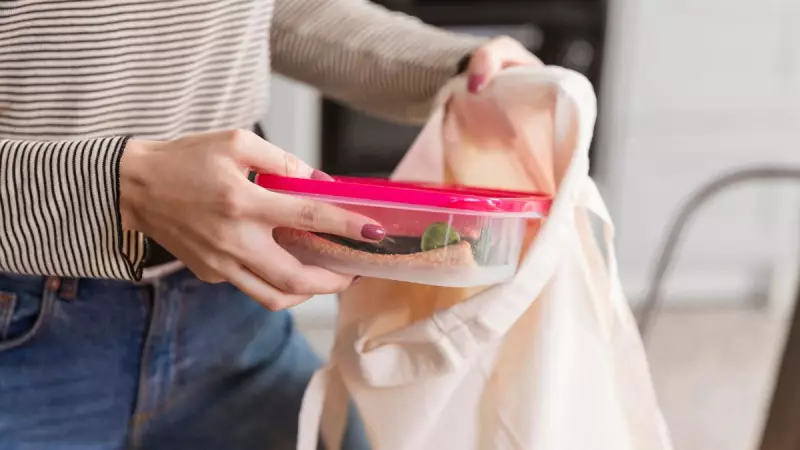
A prominent cancer surgeon has issued a stark warning, highlighting the hidden yet significant health dangers associated with our daily use of plastic products. Dr. Vishal Rao, a renowned Head and Neck Surgical Oncologist, emphasizes that common plastic items, from water bottles to food containers, are not as inert as we believe and can silently contribute to long-term health problems, including an increased risk of cancer.
The Invisible Threat in Our Daily Lives
Dr. Rao, who practices at a major healthcare institution, points out that plastics contain a cocktail of chemical additives. These substances, such as Bisphenol A (BPA) and phthalates, are known endocrine disruptors. They can leach into our food and beverages, especially when plastic is heated, scratched, or exposed to sunlight. Once inside the body, these chemicals can mimic or interfere with our natural hormones, potentially disrupting delicate physiological processes.
The surgeon specifically warns against reusing single-use plastic water bottles and using plastic containers to store or heat food. This common practice, often done to save money or for convenience, dramatically increases the rate at which harmful chemicals migrate into what we consume. The risk is not theoretical; numerous studies have linked long-term exposure to these plastic-derived chemicals with various cancers, fertility issues, and developmental problems in children.

Simple Swaps for a Safer Home
While the message is serious, Dr. Rao's advice is practical and empowering. He advocates for a shift towards safer alternatives that can significantly reduce our toxic load. The cornerstone of his recommendation is to replace plastic with more inert materials for food and drink storage.
The primary alternatives he suggests are glass, stainless steel, and ceramic. These materials are stable, do not leach chemicals, and are often reusable for years, making them both healthier and more sustainable. For instance, switching from a plastic water bottle to a stainless-steel or glass one is a simple yet powerful step. Similarly, storing leftovers in glass containers instead of plastic tubs can make a substantial difference in daily exposure.
Actionable Safety Tips from the Expert
Dr. Vishal Rao provides a clear, actionable checklist for individuals and families looking to minimize their risk:
- Never heat food in plastic containers, even if they are labeled "microwave safe." The heat accelerates chemical leaching. Always transfer food to a ceramic or glass plate before microwaving.
- Avoid pouring hot tea, coffee, or soups into plastic cups or bottles. The high temperature causes a rapid release of chemicals.
- Stop reusing disposable plastic water bottles. They are designed for single use and degrade quickly, releasing microplastics and chemicals.
- Look for BPA-free alternatives, but be cautious, as some replacement chemicals (like BPS) may also pose risks. The safest bet is to avoid plastic for consumables altogether where possible.
- Be mindful of plastic packaging. Try to purchase fresh produce from local markets that use less packaging, and choose products in glass jars or cardboard over plastic wraps and trays when available.
The core of Dr. Rao's message is one of proactive prevention. As a cancer specialist, he sees the devastating end results of disease and stresses that small, consistent changes in our daily habits can serve as a powerful form of long-term health insurance. The connection between environmental toxins and chronic disease is becoming impossible to ignore, and reducing plastic exposure is a tangible step every household can take. By making informed choices about the materials we allow into our kitchens and lives, we can create a safer environment for ourselves and future generations, potentially lowering the risk of several serious health conditions down the line.






