

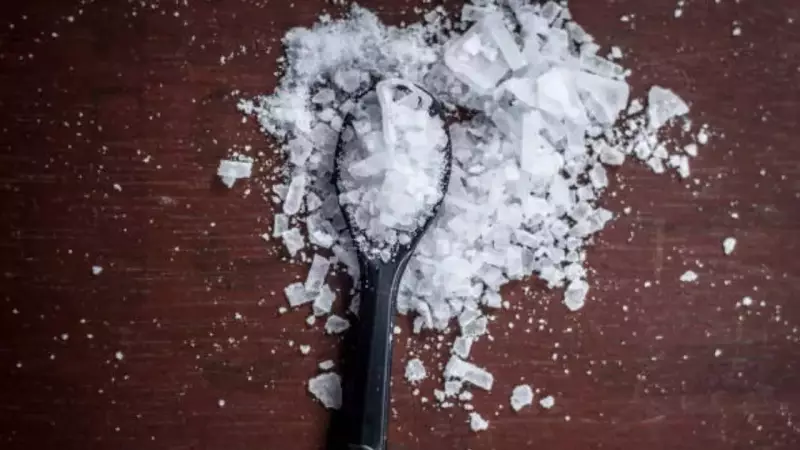
A leading paediatrician has issued an urgent warning to parents after treating two young children who accidentally consumed a common household item, mistaking it for sugar. This simple error, he stresses, can have severe and potentially irreversible consequences for a child's health.
Doctor Shares Alarming Cases from His Clinic
Dr. Santosh Yadav, a paediatrician, took to social media to highlight this hidden danger after encountering two separate incidents in a single week. In both cases, curious toddlers ingested camphor (kapoor), a substance commonly found in Indian homes for religious and medicinal purposes, believing it was edible sugar.
"This is one of the most dangerous things for your child," Dr. Yadav emphasized in a video. "It looks like sugar, but it's not. It is camphor." He detailed that the first child took the camphor from a home temple (mandir), while the second found it among ceremonial items (puja items) that came with a wedding invitation.

Why Ingested Camphor is a Medical Emergency
The doctor explained the grave medical risk. When a child swallows camphor, it is rapidly absorbed in the stomach and travels to the brain. This can trigger a sudden, intense reaction. The most critical danger is the onset of seizures, and alarmingly, there is no specific antidote for camphor poisoning.
"Kids may feel a sudden sensation when this happens. There's no cure for this if your kid consumes it, so please avoid that," Dr. Yadav stated, urging extreme caution.
A Call for Vigilance from Parents
Dr. Yadav's message is a stark reminder for parents to never underestimate the curiosity of young children. "Parents, we take things very lightly till it happens with us!!" he wrote. He described children as "little scientists" who are naturally inquisitive, seek independence, and want to explore everything in their environment.
The responsibility, therefore, lies with adults to ensure hazardous items are stored completely out of reach. Camphor, which often resembles crystal sugar or candy, should be kept under strict lock and key, especially during festivals and religious ceremonies when it is more frequently in use.
The doctor's warning resonated deeply online, with many users sharing their own harrowing experiences. One parent commented, "Yes, camphor ingestion is very dangerous. Faced this with my 3-year-old boy. He was in the hospital for two days. Seizures were there." This firsthand account underscores the very real and immediate threat Dr. Yadav described.
The takeaway is clear: vigilance and secure storage are non-negotiable. By recognising this common yet perilous confusion, parents and caregivers can take a simple step to prevent a life-threatening accident in their own homes.






