

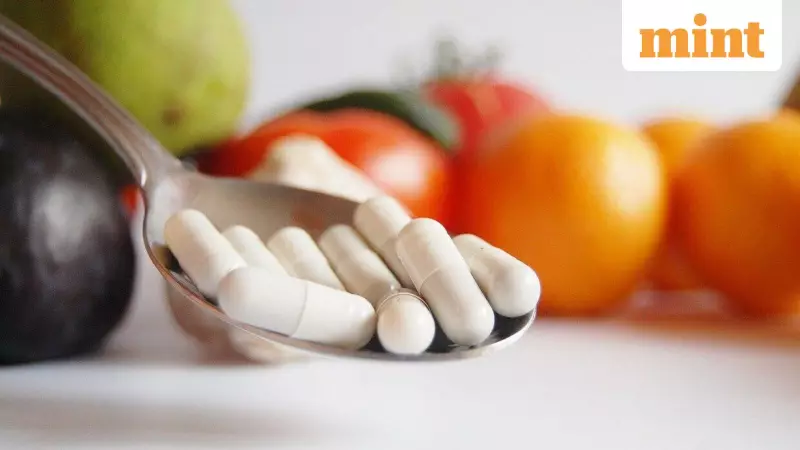
In a landmark decision set to reshape the global fight against obesity, United States regulators have approved the first-ever pill version of a blockbuster GLP-1 weight-loss drug. The US Food and Drug Administration (FDA) has given the green light to Novo Nordisk's oral tablet formulation of semaglutide, the active ingredient in its popular injections Ozempic and Wegovy.
A New Era in Obesity Treatment
This approval marks a significant shift from the current paradigm dominated by weekly injections like Wegovy and Eli Lilly's Zepbound. The new drug, which Novo Nordisk plans to call Wegovy Pill, is expected to hit the US market soon after the new year. The company announced a cash price of $149 per month for the starting dose, a figure dramatically lower than the list price of its injectable counterparts and aimed at improving insurance coverage and patient access.
David Moore, executive vice president of Novo Nordisk’s US operations, highlighted the breakthrough, stating, "We now have injectable-like efficacy in a once-daily pill. And that’s a change from where we’ve been in terms of treating obesity." The pill formulation is designed to tap into demand from individuals who avoid injections due to cost, inconsistent insurance coverage, or needle phobia.

Market Impact and Competitive Landscape
The approval comes at a crucial time for Novo Nordisk, which faced a challenging year after losing its lead in the obesity-drug market to rival Eli Lilly. The company also recently lost a bidding war to Pfizer for an obesity-drug startup and underwent leadership changes. Analysts from TD Cowen estimate the Wegovy Pill could generate nearly $2 billion in sales by 2030.
However, competition is heating up rapidly. Eli Lilly is close behind, with plans to submit its own GLP-1 weight-loss pill, orforglipron, for regulatory approval by the end of 2025. Lilly is seeking an expedited FDA review for a potential early 2026 launch and has announced an identical starting price of $149 per month. In a large study, its highest dose helped patients lose an average of 12.4% of body weight over 72 weeks.
Leerink Partners analyst David Risinger estimates that oral pills will eventually capture about 25% of the projected $150 billion total obesity-drug market.
Efficacy, Administration, and Side Effects
In a clinical trial involving 205 people with excess weight, those taking Novo Nordisk's daily pill for 64 weeks lost an average of 16.6% of their body weight. The drug works by mimicking a gut hormone (GLP-1) to reduce appetite, promote satiety, and slow digestion.
Both companies' pills can cause gastrointestinal side effects like nausea. A key difference lies in administration: Lilly's pill has no food restrictions, while Novo Nordisk's must be taken on an empty stomach in the morning, followed by a 30-minute wait before eating. Novo Nordisk's Moore noted that this requirement hasn't hindered the adoption of Rybelsus, their diabetes pill with the same ingredient.
The arrival of these pills promises to democratize access to advanced obesity treatments, offering a more convenient and potentially more affordable option for millions. The stage is now set for an intense battle in the oral anti-obesity drug arena, with significant implications for public health and the pharmaceutical industry.






