

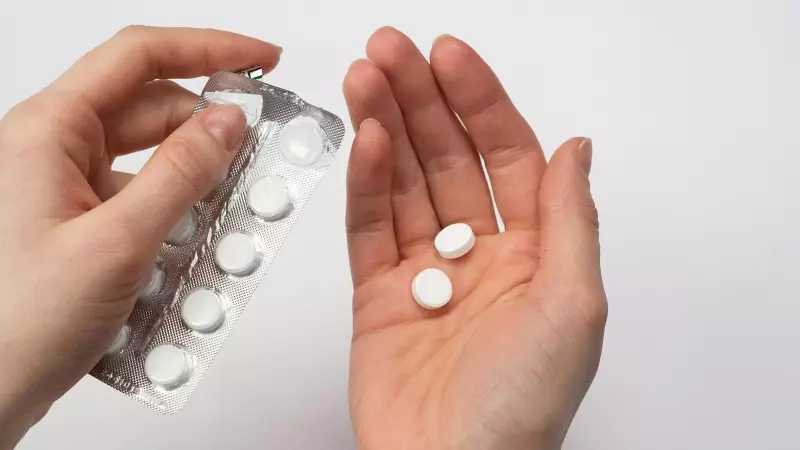
In a significant move to enhance drug safety, the Union Health Ministry has issued a sweeping ban on a common painkiller and proposed stricter rules for cough syrups. The decisions, announced on December 31, 2025, come in the wake of tragic incidents involving contaminated medicines and aim to curb misuse and protect vulnerable populations.
Immediate Ban on High-Dose Nimesulide
The central government has prohibited the manufacture, sale, and distribution of the pain and fever medication nimesulide in all oral "immediate release" formulations where the dosage exceeds 100 mg. A formal gazette notification stated the prohibition was necessary and expedient in the public interest.
This action follows a review by the Indian Council of Medical Research (ICMR), which led to several critical recommendations accepted by an expert committee under the country's apex drug regulator. Nimesulide is known to cause liver toxicity in some instances, prompting the new restrictions.

The ICMR's accepted guidelines now dictate that nimesulide should only be used as a second-line treatment when other medications fail or are unsuitable. Furthermore, the drug must not be prescribed to several specific groups:
- Pregnant women, lactating mothers, and women planning for pregnancy.
- Patients with existing kidney or liver impairment.
- Individuals taking other drugs that are toxic to the liver or kidneys.
It is important to note that nimesulide was already banned for use in children below 12 years of age.
Cough Syrups to Require Prescription
In a parallel draft notification, the Health Ministry has proposed removing cough syrups from the over-the-counter (OTC) medicine list. This means these syrups would no longer be exempt from the requirement of a prescription from a registered medical practitioner.
The draft amendment seeks to delete "syrups … for cough" from Schedule K of the Drugs and Cosmetics Rules. However, other cough formulations like lozenges, pills, or tablets will continue to be available without a prescription.
This crucial step follows the deaths of at least 22 children in Madhya Pradesh linked to contaminated cough syrups. Similar fatal incidents were reported in Rajasthan where children were given cough syrups not intended for their age group. An expert committee of the drug regulator discussed these incidents and proposed the removal of the exemption for cough syrups.
Next Steps and Implementation
The ministry has invited feedback on the draft cough syrup notification. All stakeholders have 30 days to submit their suggestions or objections. Only after considering this feedback will the draft notification be finalized for implementation.
These combined actions represent a proactive shift in India's pharmaceutical regulatory approach, prioritizing patient safety, especially for children and other high-risk groups, and aiming to prevent future tragedies stemming from drug misuse or contamination.






