

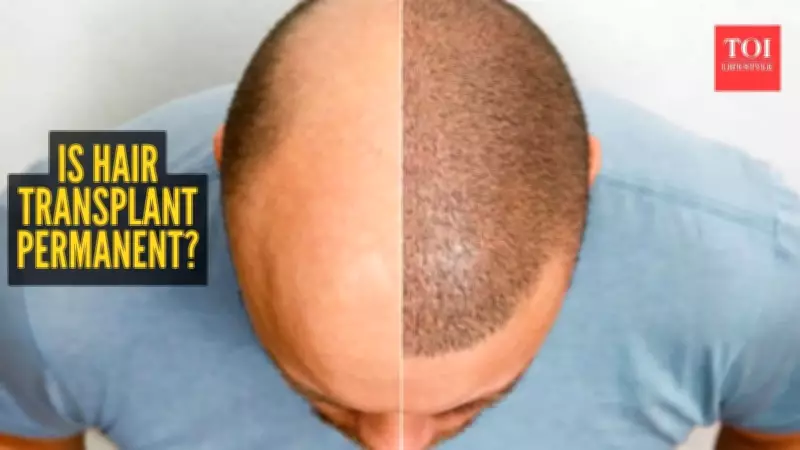
Hair transplantation is widely regarded as a definitive treatment for hair loss, yet patients often question its permanence. A comprehensive study involving 500 cases conducted by a team of researchers at Goglo Hospitals demonstrates that transplanted hair continues to grow consistently over time.
Why Is a Transplant Long-Lasting?
The effectiveness of the transplant procedure relies on the principle of donor dominance. Hair grafts are typically harvested from the occipital scalp area, as these follicles possess genetic traits that resist the DHT hormone, the primary cause of pattern baldness. When transplanted to other areas of the scalp, these follicles maintain their original characteristics and continue to function normally.
500-Case Study Observation Analysis
The study, led by Dr. Venkat and colleagues at Goglo Hospitals, monitored 500 patients over periods extending up to ten years. Results showed an excellent survival rate for transplanted follicles, exceeding 80% even after prolonged observation. Subjects retained satisfactory density and growth patterns comparable to natural hair, confirming that transplanted hair operates independently of the balding region.

Donor Area Concept – Broadened
When scalp donor hair is limited, alternative sources such as beard and chest hair have proven equally effective. Although these hairs have different growth cycles, studies indicate good survival rates and results equivalent to those using scalp donor hair.
Limitations of Transplanted Hair
While transplanted hair is DHT-resistant, it is not immune to physiological changes. Factors such as elevated temperature, extreme stress, or nutrient deficiencies can temporarily affect hair growth, causing reversible hair loss that resumes once conditions improve.
Future Hair Loss Pattern
It is important to note that while grafted hair remains unaffected, natural non-grafted hair may continue to thin due to ongoing androgenic effects. This underscores the necessity of combining transplantation with appropriate medication to maintain overall scalp density.
Conclusion
In conclusion, this 500-case study demonstrates that hair transplant is a highly reliable and lasting solution for hair loss. Donor hair's natural resistance to DHT allows it to survive and grow for many years or even decades.

