

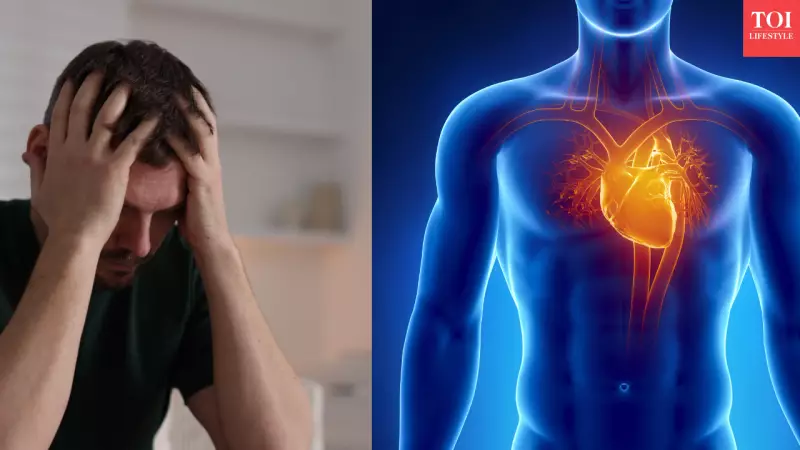
A groundbreaking discovery from European researchers has confirmed a deep-seated biological connection between two of the world's most prevalent health issues: coronary heart disease and depression. Recent studies spearheaded by the European Society of Cardiology (ESC) reveal that these conditions frequently appear together, locked in a vicious cycle where each one fuels the other, significantly worsening health outcomes for millions.
The Biological Ties That Bind Heart and Mind
The evidence comes from major research initiatives like the TO_AITION project, a significant European Union effort concluded in December 2025. This project provided compelling data on the shared biological pathways between cardiovascular diseases and depression. Researchers pinpointed common inflammation mechanisms as a primary driver for both conditions. For instance, the low-grade chronic inflammation that often accompanies depression directly contributes to blood vessel damage, escalating cardiovascular risk over time.
The statistics are startling. Approximately one-third of all individuals with heart disease also experience or later develop depression. This high rate of comorbidity stems from shared genetic factors that influence atherosclerosis—the buildup of plaque in arteries—and from the body's stress response system. When the brain is constantly in a state of high stress, it lowers heart rate variability and promotes systemic inflammation, creating a perfect storm for both ailments. This new data builds upon earlier work, like the ESC's 2019 position paper, but offers a much clearer view of the biological intertwining.

Real-World Impact and the Screening Solution
The combination of heart disease and depression is devastating. Patients grappling with both face a drastically lower quality of life, more frequent hospitalizations, and alarmingly higher mortality rates. Depression can increase the risk of death in heart disease patients by 50% to 300%. Furthermore, existing heart problems can accelerate cognitive decline in those with depression. Daily management also suffers, as depression can lead patients to skip essential medications and avoid the very exercise that could improve both conditions.
To combat this, the ESC's 2025 Clinical Consensus Statement strongly advocates for integrating mental health screenings into routine cardiac checkups. Simple questionnaires during a heart health visit can flag potential issues early. This is crucial because symptoms like fatigue or chest pain can be ambiguous, signaling either a cardiac or a mental health problem. Combined screenings ensure that millions who silently struggle get a holistic diagnosis.
Breaking the Dangerous Cycle
The relationship is a two-way street. Depression triggers the release of stress hormones like cortisol, which stiffens arteries and encourages blood clot formation. Conversely, the grief and anxiety of a heart condition can plunge a person into a depressive episode. Poor sleep, common in both states, further worsens the situation by raising blood pressure and blood sugar levels.
Lifestyle factors compound the risk, as people with depression may have poorer diets or smoke more, adding strain to an already burdened cardiovascular system. The ESC now champions an integrated care model. This approach combines cardiac medications with psychotherapy, antidepressants, or tailored exercise programs. Cognitive behavioral therapy shows particular promise for treating depression after a heart attack, while physical activity boosts mood during cardiac rehab.
Initiatives like TO_AITION have also developed practical tools, including risk prediction websites and platforms for personalized care plans. The future may see doctors using blood tests for inflammatory markers alongside apps that simultaneously track a patient's mood and vital signs.

For the general public, experts recommend starting with manageable steps: regular walks, a diet rich in omega-3 fatty acids, and stress management through mindfulness practices. The consensus among cardiologists and psychiatrists is clear: routine, combined screenings are lifesaving. By placing heart and mind health in the same dialogue, patients receive coordinated care, leading to empowered prevention and significantly better health outcomes. The hope is that continued research will further ease the burden for those caught in this all-too-common duo.





