

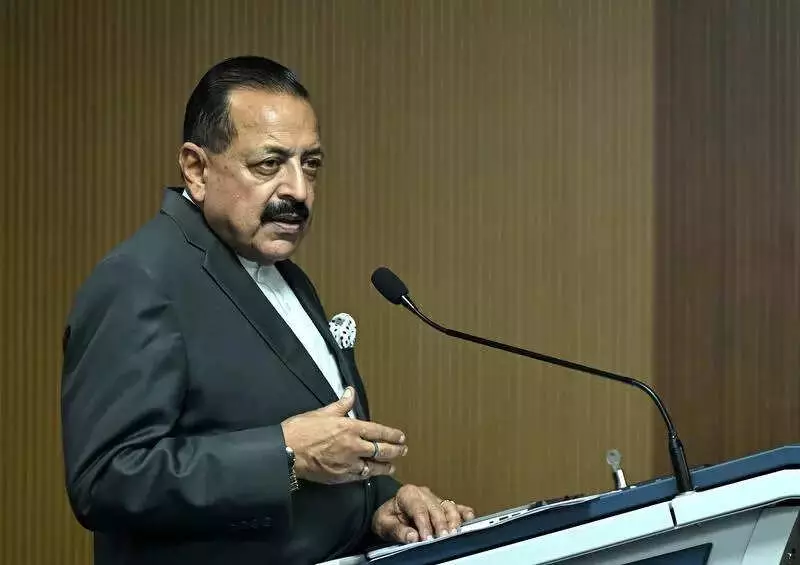
In a significant announcement, Union Minister of State for Science and Technology, Dr Jitendra Singh, declared that India is now leveraging cutting-edge science and genomics to create a skilled workforce and ensure faster diagnosis and treatment for patients suffering from rare diseases. He made these remarks during his visit to Hyderabad on Friday.
A Prosperous Nation's New Healthcare Priority
Dr Singh stated that India's growing prosperity has enabled a crucial shift in its healthcare focus. "India has grown prosperous enough to focus on rare genetic diseases, which were once overshadowed by communicable illnesses like tuberculosis," he said. He highlighted that with infectious diseases now largely under control, the national attention has decisively moved towards non-communicable, metabolic, and genetic disorders.
The minister pointed out that advancements in genomics, specialised paediatric rare disease programmes, and focused research on conditions like haemophilia and sickle cell disease are paving the way for personalised medicine in the country. "We are now in a position to translate scientific progress into new therapies and better healthcare outcomes," Dr Jitendra Singh added with confidence.

Foundation for a Skilled Future: Samarth & iDeaNA
The practical steps for this vision were laid at the BRIC–Centre for DNA Fingerprinting and Diagnostics (BRIC-CDFD) in Uppal, Hyderabad. Here, the Union minister performed two key ceremonies: laying the foundation stone for the National Skill Development Centre, named 'Samarth', and inaugurating the 'iDeaNA–BRIC-CDFD' technology incubator.
The Samarth centre, an initiative by the Department of Biotechnology, is designed to tackle critical skill shortages in high-demand areas like forensic DNA profiling and molecular diagnostics. Its full name, 'Skilling and Accessing Molecular Advancements in Research and Technology for Health', reflects its mission. The centre will offer comprehensive training, certification, and outreach programmes to build a future-ready workforce and bolster indigenous diagnostic technologies.
Simultaneously, the iDeaNA incubator has been launched to bridge the gap between laboratory research and market commercialisation for early-stage life science startups. Aligned with the national BioE3 policy, this incubator has already made impressive strides. It has onboarded 12 promising startups, created over 30 skilled jobs, facilitated four patent filings, raised more than Rs 15 crore in funding, and developed five products that are ready for the market.
Showcasing Homegrown Innovation
The event also served as a platform to display innovative products emerging from this ecosystem. Notable innovations included 'NexaSweet' for metabolic disorders, various products aimed at combating skin and mosquito-borne diseases, and a novel melanin–chitosan biomaterial system with potential applications across both healthcare and agriculture sectors.
This dual approach—building human capital through 'Samarth' and fostering entrepreneurship through 'iDeaNA'—signals India's structured and science-led strategy to conquer the complex challenge of rare diseases, aiming for timely diagnosis, effective treatment, and a healthier future.






