

Japan has some of the longest-living people on the planet, and it is not an accident. Walk through any market in Tokyo or Okinawa and you will see the same foods appearing repeatedly, foods that Japanese people have been consuming for centuries. Nutritionists are not obsessed with these foods because they are trendy or Instagram-worthy. They are obsessed because they actually work, and the science backs it up.
Natto
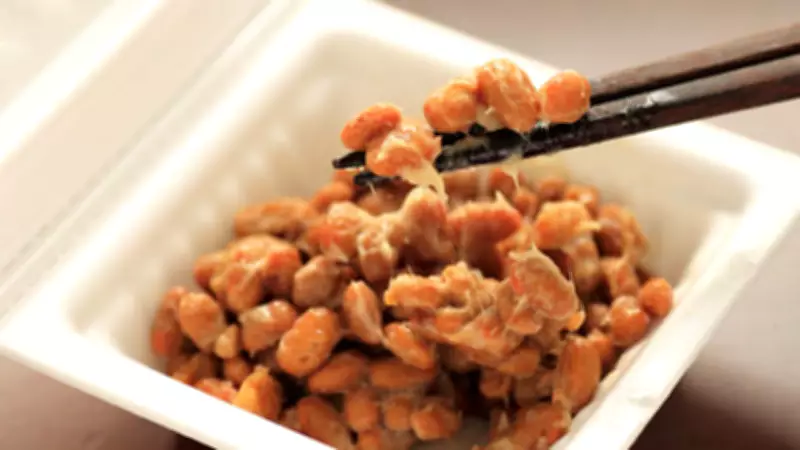
Most diets are missing fermented foods, and that is a problem. Natto, those sticky, pungent fermented soybeans, might smell like an acquired taste (because it is), but nutritionists point to it constantly when discussing longevity. The fermentation process creates Bacillus subtilis, a strain of bacteria that supports gut health and improves nutrient absorption. Your gut health matters more than you probably realize, especially as you get older. A healthy gut microbiome is linked to better digestion, stronger immunity, and even mental clarity.
The thing about natto is that you either love it or you do not. But if you can get past the smell and the texture—that stringy, mucilaginous consistency—you are getting protein, vitamin K2 (which supports bone density), and enzymes that your body actually wants as it ages. Japanese people typically eat it over rice for breakfast, and they have been doing this for generations.

Miso
Miso paste is not just a flavoring—it is a health practice. This fermented soybean paste packs probiotics that support digestive function, and it brings umami to dishes without relying on salt or sugar. Nutritionists appreciate miso because it is one of those foods that makes healthy eating taste good, which is half the battle when you are trying to maintain habits long-term.
And here is something people overlook: miso is enzyme-rich. Those enzymes help your body break down and absorb nutrients more efficiently. When you are 60 or 70, you need all the help you can get with nutrient absorption because your digestive system does not work quite like it did at 25. A bowl of miso soup is not fancy or complicated, but it is the kind of simple habit that adds up over decades.
Seaweed
Japanese cuisine relies heavily on seaweed—nori, wakame, kombu. These are not exotic add-ons; they are staples. Seaweed is loaded with iodine, calcium, magnesium, and trace minerals your body needs to function properly. As you age, bone density becomes a real concern, especially for women, and seaweed provides nutrients that support skeletal health without requiring supplements.
The mineral density in seaweed is something you will not find concentrated in many other foods. Wrap some nori around rice, throw wakame into soup, or use kombu to make stock, and you are getting minerals that support thyroid function, nerve health, and muscle function. Nutritionists point to seaweed consumption as one of the underrated reasons Japanese people maintain better bone health and metabolic function into their later years.
Wasabi and Ginger
Fresh wasabi and ginger are central to Japanese cooking, and they are not just there for flavor. Both contain compounds that reduce inflammation—something that becomes increasingly problematic as your body ages. Chronic low-grade inflammation is linked to almost every age-related disease you can think of: heart disease, arthritis, cognitive decline, diabetes.
Japanese meals typically incorporate ginger in soups and dishes, and wasabi comes standard with sushi. You are not eating huge amounts, but you are getting consistent doses of anti-inflammatory compounds throughout your diet. Over time, these habits matter.
Green Tea
Yes, green tea. Japanese nutritionists do not get excited about it anymore because it is so obvious. Matcha and sencha contain catechins—antioxidants that protect cells from damage. Drinking green tea regularly is associated with better cardiovascular health, improved metabolism, and sharper cognition as you age.
The Japanese approach is simple: drink it regularly, without overthinking it. No special ritual required, though if you want one, that is fine too.

None of these foods are difficult to find or expensive to buy anymore. The real shift is understanding that healthy aging is not about one magical food—it is about patterns. Japanese superfoods work because they are eaten consistently, in context, as part of a broader diet. That is the actual secret.
