

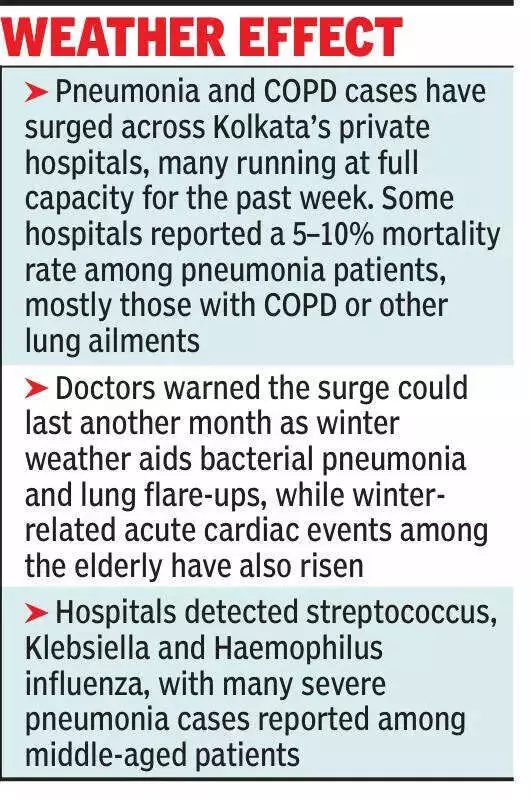
Private hospitals across Kolkata are grappling with a severe and sustained surge in respiratory illnesses, primarily pneumonia and chronic obstructive pulmonary disease (COPD). For over a week, many facilities have reported full occupancy, with a concerning mortality rate observed among the most vulnerable patients.
Hospitals at Capacity, Mortality Rate a Concern
The crisis has pushed respiratory intensive care units to their limits. At CMRI Hospital, the respiratory ICU has been completely occupied with 24 patients for more than seven days, forcing staff to admit severe cases to general wards. Dr. Raja Dhar, Director of Pulmonology at CMRI, described a "relentless inflow" of severe lung disease cases, predominantly pneumonia requiring ICU support and acute exacerbations of COPD.
He revealed a sobering statistic: the mortality rate among pneumonia patients has been between 5% and 10%, with most fatalities occurring in individuals who had pre-existing lung conditions like COPD. Dr. Dhar warned that this high patient flow is unlikely to subside for at least another month, citing current pollution levels and temperatures as conducive for the spread of pneumonia and viruses.

Weather and Pollution: The Perfect Storm for Infection
The sudden dip in temperature on December 31st, followed by a rise, has been identified as a key trigger for the current wave of infections. Dr. Soumya Sengupta, Head of Pulmonology at Charnock Hospital—which currently has twenty admissions for pneumonia and COPD—explained that bacterial pneumonia is the dominant strain this season.
"Severe cases are mainly among those with prior lung disease," Dr. Sengupta noted. He highlighted a critical trend: vaccinated elderly patients experienced milder illness, often treated at home. In contrast, unvaccinated younger patients, especially those who delayed seeking care, developed more severe disease. Early intervention with oral antibiotics, however, is proving effective in controlling many infections.
Common Bacteria and Unusual Demographics
Microbiological reports point to specific culprits. Dr. Bhaskar Narayan Chaudhury, Chief Microbiologist at Peerless Hospital, which diagnoses 2 to 4 pneumonia cases daily, stated that Streptococcus is the most common bacteria, followed by Klebsiella and Haemophilus influenzae.
Alarmingly, the infection is not confined to traditional high-risk groups. "It's affecting not just the elderly but also relatively young people without prior lung disease. So, the infection is in the air," emphasized Dr. Raja Dhar. This indicates widespread circulation of the pathogens.
Pollution Aggravates Chronic Conditions
The surge is not limited to pneumonia. Doctors report a significant increase in COPD exacerbations, directly linked to the cold weather and Kolkata's poor air quality. Dr. Debraj Jash, HOD of Pulmonology at Manipal Hospitals, attributed the rise to the temperature drop and high pollutant levels.
This sentiment is echoed at BP Poddar Hospital, which is operating at 90% occupancy, largely with respiratory patients. Fifty-three patients are currently admitted with COPD, emphysema, and chronic bronchitis. "Cold weather and infections trigger acute flare-ups, while poor air quality and high particulate matter further aggravate respiratory conditions," explained Supriyo Chakrabarty, Group Advisor at BP Poddar Hospital.
The consensus among Kolkata's medical community is clear: the combination of fluctuating temperatures and severe pollution has created a public health challenge. With forecasts suggesting similar conditions will persist, hospitals are bracing for at least four more weeks of intense pressure, urging high-risk citizens to seek early medical help and take preventive measures.






