

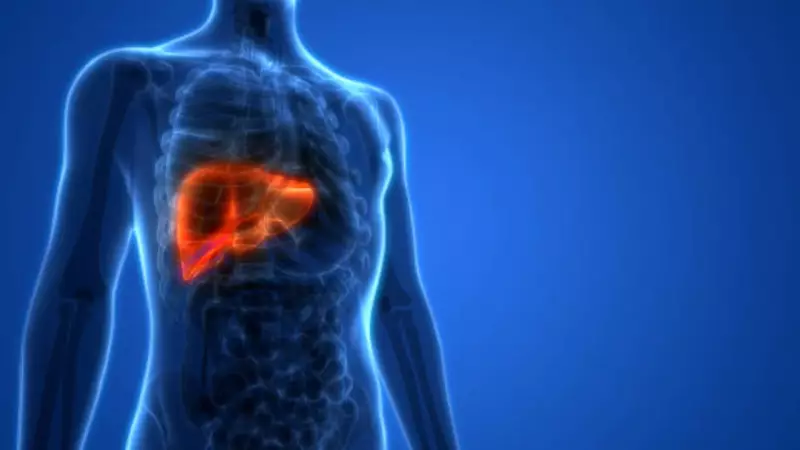
A groundbreaking new study from the Massachusetts Institute of Technology (MIT) has delivered a stark warning: consuming a high-fat diet can fundamentally alter liver cells, making them significantly more susceptible to becoming cancerous. The research provides a detailed cellular mechanism for how long-term metabolic stress from poor diet can pave the way for liver cancer.
The Cellular Survival Strategy That Backfires
Scientists at MIT discovered that when liver cells are repeatedly stressed by a high-fat diet, they activate a dangerous survival mode. "If cells are forced to deal with a stressor, such as a high-fat diet, over and over again, they will do things that will help them survive, but at the risk of increased susceptibility to tumorigenesis," explains Alex K. Shalek, the study's senior author. Shalek is the director of the Institute for Medical Engineering and Sciences (IMES), the J. W. Kieckhefer Professor in IMES and the Department of Chemistry, and a member of the Koch Institute for Integrative Cancer Research at MIT, the Ragon Institute of MGH, MIT, and Harvard, and the Broad Institute of MIT and Harvard.
The researchers explained that a high-fat diet leads to inflammation and fat accumulation in the liver, a condition known as steatotic liver disease. This disease, which can also stem from other long-term stresses like high alcohol consumption, is a known precursor to liver cirrhosis, liver failure, and ultimately, cancer.

From Fat to Tumors: The Mouse Model Revelation
To unravel the precise cellular changes, the team fed mice a high-fat diet and used advanced single-cell RNA-sequencing to analyze their liver cells at critical stages as the disease advanced. The findings were alarming. The liver cells switched on genes that promoted survival in the harsh, fatty environment. These included genes that made the cells more resistant to programmed cell death (apoptosis) and more likely to multiply uncontrollably.
Simultaneously, the cells began to shut down genes essential for normal liver function. This included genes for metabolic enzymes and secreted proteins, meaning the liver cells were losing their specialized identity while gaining dangerous, cancer-like traits. The consequence was devastating: nearly all of the mice on the high-fat diet developed liver cancer by the end of the study period.
Human Implications and a Critical Timeframe
While the mice in this study developed tumors within about a year, the researchers estimate the process in humans unfolds over a much longer period, potentially spanning around 20 years. However, this timeline is not fixed. It varies significantly between individuals based on their specific diet, alcohol intake, and other risk factors like viral infections, all of which can push liver cells into this immature, pre-cancerous state.
The study underscores that the path from a fatty liver to cancer is not random but a direct result of cellular reprogramming under chronic stress. It highlights the profound long-term impact of dietary choices on cellular health and cancer risk, offering a clear scientific rationale for maintaining a balanced diet to protect liver function.






