

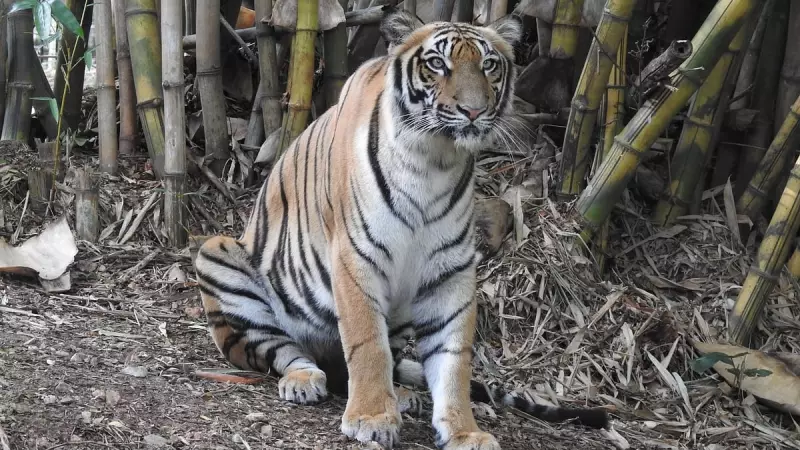
The Sri Chamarajendra Zoological Gardens in Mysuru is in mourning following the untimely death of one of its young and beloved residents. Thayamma, a four-year-old tigress, breathed her last on Tuesday after a brief period of illness, dealing a sad blow to the zoo's staff and visitors.
A Sudden Decline in Health
According to official statements from the zoo authorities, Thayamma's health began to deteriorate rapidly. She stopped eating and showed clear signs of physical distress. Concerned keepers and veterinarians immediately placed her under close observation and initiated necessary medical treatment. Despite their best efforts and round-the-clock care, the tigress could not be revived. The official cause of death is yet to be determined, pending a detailed post-mortem examination.
The loss is particularly poignant given Thayamma's age. At just four years old, she was in the prime of her life. Tigers in captivity, with proper care, can live significantly longer, often into their late teens or early twenties. Her sudden passing has raised questions and sadness among the zoo's community.

Life and Legacy at Mysuru Zoo
Thayamma was a resident of the zoo's specially designed tiger enclosure, which aims to provide a naturalistic habitat for the big cats. She was known to be a vibrant animal, often captivating visitors with her majestic presence. The zoo, commonly known as Mysuru Zoo, is one of India's oldest and most popular zoological parks, playing a crucial role in education, conservation, and breeding programs for endangered species.
The death of any animal, especially a charismatic megafauna like a tiger, is taken very seriously. Standard operating procedure mandates a thorough post-mortem to understand the exact reasons behind the death. This process helps in identifying any underlying health issues, improving animal care protocols, and ensuring the well-being of other animals in the facility. The findings are typically documented and reviewed by the zoo's management and veterinary team.
Conservation Context and Moving Forward
This incident brings into focus the challenges of wildlife management in captivity. While zoos like Mysuru provide refuge and contribute to species survival plans, they also bear the immense responsibility of safeguarding the health of each individual animal. The staff's prompt response in treating Thayamma highlights their dedication, but the outcome underscores the vulnerabilities that exist.
For the public and regular visitors, Thayamma's enclosure will feel emptier. The zoo serves as a vital link for city dwellers and tourists to connect with wildlife, and each animal has its own admirers. The management is expected to issue a detailed report once the post-mortem results are finalized, which will provide closure and important insights.
In the broader context of wildlife conservation in Karnataka, every tiger's life holds significance. Events like these remind us of the fragility of life and the continuous effort required in animal husbandry and veterinary science. The Mysuru Zoo authorities are likely to reinforce their health monitoring systems as they continue their mission to protect and preserve India's rich biodiversity for future generations.






