

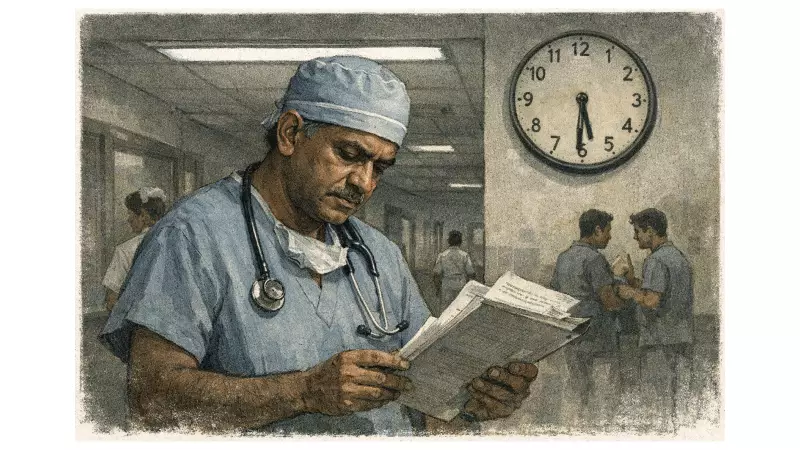
The medical community in Nagpur and beyond was left in shock following the sudden demise of a renowned neurosurgeon, an event that underscores a silent health crisis often masked by routine tests. Dr. Chandrashekhar Pakhmode, a leading surgeon who managed two hospitals with a combined capacity of nearly 200 beds, passed away just three days after an electrocardiogram (ECG) showed no alarming signs.
The Gruelling Routine of a Top Surgeon
Dr. Pakhmode's schedule was a testament to his dedication but also a blueprint for extreme burnout. His day began at 5 am, with patient examinations starting as early as 6 am. After a breakfast break at 8 am, he would immerse himself in scheduled surgeries, operating until 4 pm. The evenings were reserved for out-patient department (OPD) consultations, which frequently stretched past midnight.
This relentless pace meant he was sometimes performing 8 to 9 complex neurosurgical procedures daily, in addition to managing over 100 patient consultations. He was the pillar of his hospitals, a figure whose work ethic was both admired and, as this tragedy suggests, potentially perilous.

A 'Clean' ECG and a Tragic Outcome
The most chilling aspect of this story is the timing. Merely three days before his death, Dr. Pakhmode underwent an ECG test that was reported as normal or 'clean'. This fact raises critical questions about the limitations of single-point tests in individuals under chronic, severe stress. It highlights how underlying cardiovascular strain can exist without immediate electrocardiographic red flags, especially in high-functioning individuals.
His passing is not just the loss of a skilled doctor but a stark, personal lesson from within the medical fraternity about ignoring the body's signals for rest.
Lessons on Stress and Preventative Health
This incident serves as a severe warning, particularly for professionals in high-stress fields like healthcare. The key takeaways are profound:
- ECG is a Snapshot: A normal ECG does not guarantee heart health, especially against the backdrop of unmanaged chronic stress and exhaustion.
- Burnout is Deadly: The culture of relentless work, common among doctors, needs urgent addressing. Sustainable work hours are not a luxury but a necessity for patient and doctor safety.
- Holistic Check-ups: Individuals with demanding lifestyles require comprehensive health assessments that go beyond basic tests, including stress evaluation and cardiac risk profiling.
The demise of Dr. Chandrashekhar Pakhmode on January 10, 2026, is a sombre reminder that those who care for our health are also vulnerable. It calls for a systemic and personal reckoning with the unsustainable pressures of modern medical practice and the invisible toll they take.






