The National Medical Council (NMC) has revoked the permission granted to the Shri Mata Vaishno Devi Institute of Medical Excellence (SMVDIME) to conduct its MBBS program for the 2025-26 academic session. This decisive action, taken late on Tuesday, January 6, 2026, follows a surprise inspection that uncovered significant shortcomings in the college's infrastructure and faculty.
Inspection Reveals Critical Deficiencies
The NMC's withdrawal is based on a Letter of Permission (LoP) issued in September 2025, which initially allowed the college to admit 50 MBBS students. However, a surprise inspection last week, prompted by multiple complaints, painted a starkly different picture. The inspection team reported a 39% deficiency in teaching faculty and a severe 65% shortage of tutors, demonstrators, and senior residents.
Clinical facilities were also found severely lacking. The Outpatient Department (OPD) saw fewer than half the required number of patients, while bed occupancy stood at just 45%, far below the mandated 80%. Intensive Care Units (ICUs) averaged only about 50% occupancy. The report further highlighted the absence of practical and research labs in several departments, lecture theatres failing to meet standards, and a library with only 50% of the required books and a mere two journals against a norm of fifteen.
Admission Row and Political Agitation
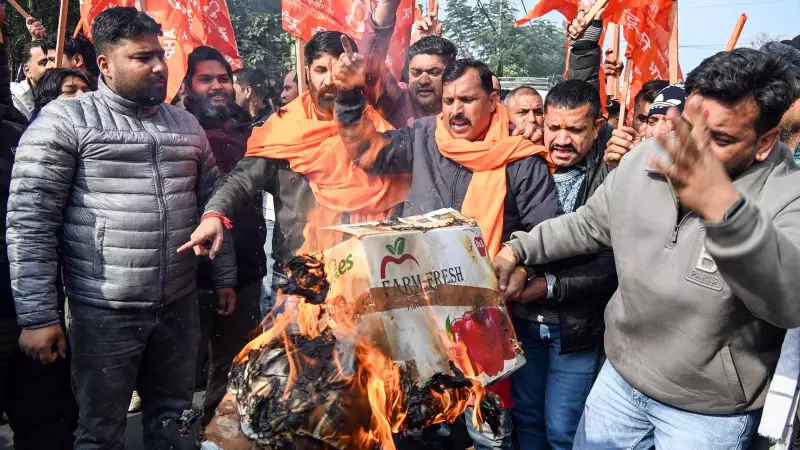
The development is set against a backdrop of intense controversy over the institute's admissions. Of the 50 students admitted based on NEET merit, 44 were Muslim students. This led to protests by groups, including the Shri Mata Vaishno Devi Sangarsh Samiti—a collective of nearly 60 pro-RSS and pro-BJP organisations—which demanded admissions be reserved exclusively for Hindu students. The Samiti claimed credit for instigating the surprise NMC inspection.
Colonel (Retired) Sukhvir Mankotia, the Samiti's convenor, warned of intensifying agitation, arguing the college was built with offerings from Hindu pilgrims and should primarily serve Hindu students. The Rashtriya Bajrang Dal also held protests in Jammu, demanding changes to the selection list.
College's Defense and Student Relocation
Officials at SMVDIME contested the NMC's findings, stating there were no infrastructure deficiencies. They claimed the inspection was conducted with only 15 minutes' phone notice, coinciding with winter vacations when nearly half the faculty was on leave. "We tried to call back the faculty members who had been on leave," a college official stated.
Despite the college's defence, the NMC's decision stands. The council has directed that all 50 students admitted for the 2025-26 session be accommodated as supernumerary seats in other government medical institutions within the Union Territory of Jammu and Kashmir, ensuring their academic progress is not disrupted.
This incident underscores the tense intersection of educational standards, merit-based admissions, and identity politics in the region, leaving the future of the medical institute uncertain.