

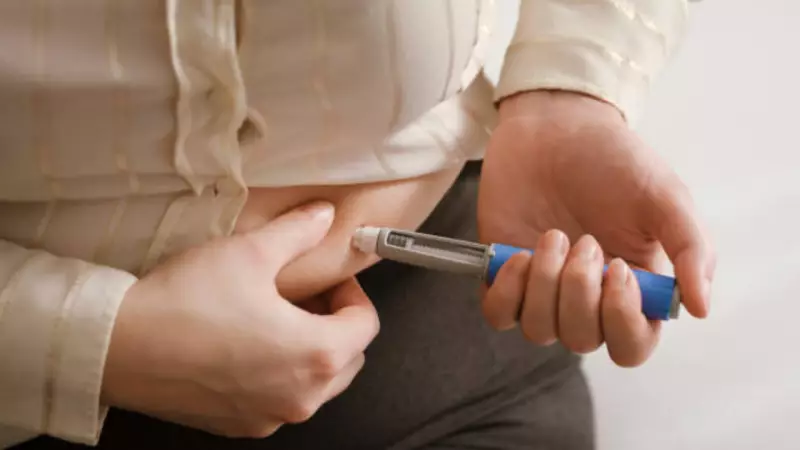
Social media feeds are flooded with posts and ads about Ozempic, Mounjaro, and Wegovy. These injectable drugs, first made for type 2 diabetes, are now famous for helping people lose weight. But behind the online hype lies a complex and often misunderstood reality.
The Alarming Rebound Effect: What The New Research Says
A recent study published in the British Medical Journal (BMJ) has raised a serious red flag. It found that people who stop using weight-loss injections like Mounjaro or Wegovy can experience rapid weight regain. On average, they gain back 0.8 kg every month after stopping the medication.
The researchers explained that while weight loss improves heart health, these benefits fade if the weight returns. "Weight loss improves cardiovascular risk factors... The benefits of weight loss on diabetes and other cardiovascular disease risk markers were, however, attenuated by weight regain," the study noted. This means the positive effects on blood sugar, cholesterol, and blood pressure can reverse when the lost weight comes back.

Rebound Obesity: It's Biology, Not Willpower
This phenomenon is called rebound obesity, and it's a critical part of the conversation that often gets ignored. When medications like Ozempic or Wegovy are stopped, the body's biology takes over. Hunger hormones can surge, and the body may try to return to its previous weight, interpreting the weight loss as a threat.
This is not a personal failure. "Overweight and obesity, like diabetes and hypertension, are serious conditions that often require ongoing, even lifelong treatment. There are no 'one-and-done' treatments," says Dr. Caroline Apovian, an obesity medicine specialist at Harvard-affiliated Brigham and Women's Hospital. Older studies support this, showing that a year after stopping semaglutide 2.4 mg, participants regained two-thirds of their lost weight.
Separating Hype from Healthcare
The drugs work by controlling appetite and slowing digestion, helping people eat less. Their popularity stems from a culture seeking quick fixes and frustration with slower, traditional weight-loss methods. However, treating them as a viral trend rather than a serious medical treatment is dangerous.
The online conversation is full of personal stories and half-truths, making it hard to find reliable facts. This new research highlights a crucial truth: these medications are tools for management, not cures. Stopping them without a long-term plan under medical supervision can lead to a frustrating cycle of loss and regain, potentially undoing health gains.
The key takeaway is clear. For sustainable health, these drugs should be part of a comprehensive, medically supervised plan, not a social media-inspired shortcut. Understanding the risk of rebound obesity is essential for anyone considering or using these treatments.






