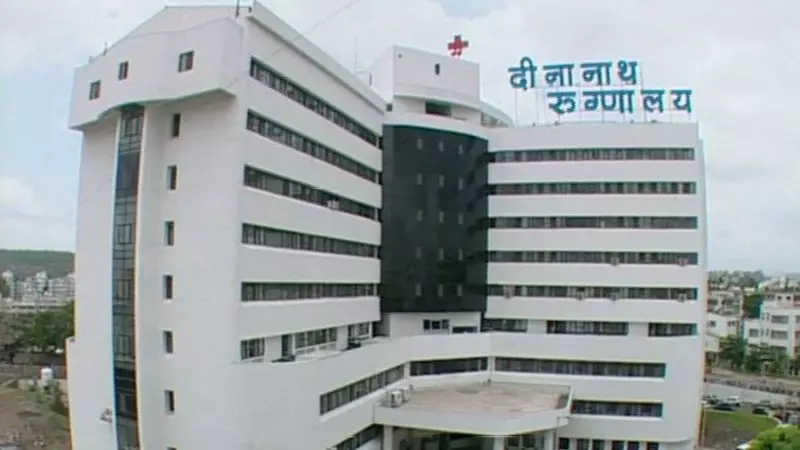
A state-of-the-art laboratory in Pune is dramatically accelerating the fight against severe infections, turning what was once a multi-day diagnostic wait into a matter of hours. The Direct Relief Center of Excellence for Infectious Diseases and Tropical Medicine laboratory at Deenanath Mangeshkar Hospital (DMH) is leveraging cutting-edge technologies to identify dangerous pathogens with unprecedented speed.
From Broad Guesswork to Pinpoint Precision
The traditional method of culturing bacteria or fungi from a patient's sample can take anywhere from two to four days to yield results. During this critical window, doctors often must rely on broad-spectrum antibiotics or antifungals, a practice known as empirical therapy. This approach can be ineffective against drug-resistant organisms and may delay life-saving treatment.
The DMH laboratory has shattered this timeline. By deploying a suite of advanced tools including MALDI-TOF mass spectrometry, PCR-based platforms, and next-generation DNA sequencing, the lab now delivers accurate test results in a mere two to four hours. This quantum leap allows physicians to swiftly abandon guesswork and initiate precise, targeted therapy.
"These tools have revolutionized our diagnostic capability," said Dr. Dhananjay Kelkar, Medical Director of DMH. "We can now move from empirical treatment to targeted therapy much earlier, which is often the difference between life and death for critically ill patients."
Real-World Impact: Saving Lives in Hours
The profound impact of this rapid diagnostics unit was highlighted in a recent case involving a 25-year-old post-transplant patient. The patient was spiraling into septic shock, a life-threatening condition. Using the lab's advanced sequencing capabilities, doctors identified a rare fungal infection in her bloodstream within hours. They immediately began the correct antifungal treatment.
"This process usually takes days," explained Dr. Kelkar. "The rapid diagnosis prevented organ failure and likely saved her life." This story is becoming increasingly common at the facility, which conducted 6,722 advanced diagnostic tests in 2024 and 5,069 tests in 2025, showing growing reliance on its services.
Cost-Effective Care and a Growing Regional Network
While specialized molecular and sequencing-based tests at the lab range from Rs 2,400 to Rs 18,000—compared to routine tests costing Rs 150 to Rs 1,500—doctors emphasize their long-term cost-effectiveness. Faster, accurate diagnosis leads to shorter hospital stays, prevents severe complications, and eliminates the expense of unnecessary or ineffective medications, thereby reducing the overall treatment burden.
Beyond its walls in Pune, the DMH center is fostering a regional hub for advanced infectious disease management. It anchors a network that includes satellite hospitals in Latur, Dharashiv, and Sambhajinagar (Aurangabad), and regularly receives samples from across Maharashtra and states like Tamil Nadu, Telangana, and Karnataka.
The hospital is also actively training and mentoring staff from hospitals in Latur and Sambhajinagar to extend this advanced care into rural and semi-urban areas. This network is crucial for a region with a high burden of diseases like drug-resistant tuberculosis (XDR, MDR TB), influenza, COVID-19, and pneumonia.
"We are turning impossible cases into success stories every day," Dr. Kelkar stated, underscoring how this Pune-based innovation is setting a new standard for rapid, life-saving diagnostics in Indian healthcare.