

Pune Resident Triumphs Over Deafness and Depression with Revolutionary Hearing Implant
A remarkable medical success story has emerged from Pune, where a 23-year-old resident has overcome profound single-sided hearing disability and severe clinical depression following the successful implantation of an advanced Cochlear Osia system. This groundbreaking procedure has not only restored his auditory function but has dramatically transformed his mental health and life prospects.
Years of Struggle and Isolation
The patient had lived with hearing disability since birth, a condition that created significant barriers throughout his life. The inability to follow group discussions or localize sound sources led to years of social isolation, severely hindering his education and career development. What began as a physical limitation evolved into a psychological crisis as the frustration and communication barriers pushed him into deep depression.
Dr Sumitpal Bhatti, the ENT surgeon who performed the procedure, explained the severity of the situation: "The patient suffered from profound single-sided deafness in his left ear since childhood. Over time, this was not just a physical disability; the inability to communicate pushed him into deep isolation. The frustration became so debilitating that he developed severe depression, requiring multiple psychiatric medications and even electroconvulsive therapy at another facility."

A Revolutionary Medical Solution
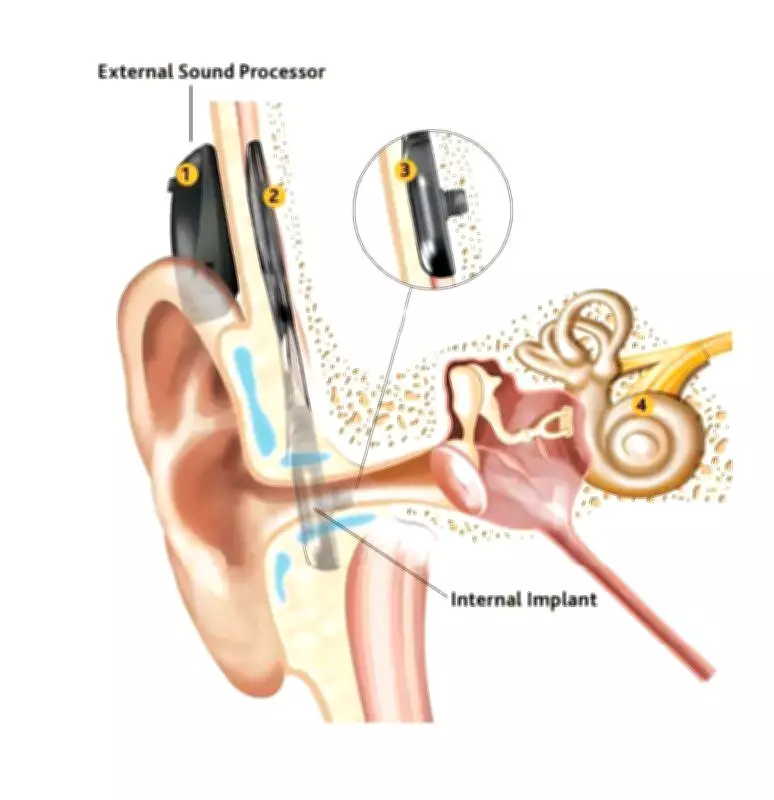
On January 19, at the Tiny Bubbles Child Development Centre, Dr Bhatti successfully implanted the Cochlear Osia system. This advanced technology represents a significant departure from conventional hearing aids. Unlike traditional devices that amplify sound through the ear canal, the Osia system captures sound externally and transmits it as vibrations directly through the bone to the inner ear.
This innovative approach bypasses damaged portions of the middle and external ear, providing a clearer, more natural auditory experience. Medical experts emphasize that the OSI300 implant represents a breakthrough for patients with congenital ear deformities, fixed ear bones, or those who find traditional hearing aids ineffective.
The Life-Changing Moment of Activation
Following a smooth recovery period, the device was officially activated on February 17 at the Dapodi ENT Clinic. As the system was switched on, the patient experienced sound from his left side for the first time in years—a profoundly emotional moment that his parents described as deeply moving.
The device provides 360-degree "spatial awareness," allowing users to identify exactly where sounds are coming from. Dr Bhatti emphasized the significance of this technology: "For patients with destroyed ear bones or mixed hearing loss, this is a perfect solution. Hearing loss is the most common sensory loss globally, yet there is a tragic lack of awareness regarding these life-changing options."
Dramatic Mental Health Transformation
The impact on the patient's mental health has been as significant as the auditory restoration. Stuti Kumar, a rehabilitation therapy expert who assisted the patient, reported a dramatic transformation during his follow-up on April 4.
"The patient's confidence has soared," Kumar observed. "Since the switch-on, he has not only regained his hearing but has also been able to discontinue psychiatric treatment. He is now off electroconvulsive therapy and psychiatric medications. This surgery addressed a profound psychological need, not just a physical one. He is now resuming his studies at a regular college and living a normal life."
Broader Implications for Hearing Loss Treatment
This case highlights the critical intersection between physical disability and mental health, demonstrating how advanced medical interventions can address both aspects simultaneously. According to the National Medical Journal of India, approximately 63 million people in India suffer from significant auditory impairment, yet awareness regarding advanced treatment options remains surprisingly low.

The successful outcome in Pune serves as a powerful testament to how modern medical technology can restore not just sensory function but also psychological well-being and quality of life. The patient's journey from profound isolation and depression to renewed educational pursuits and normal social functioning illustrates the transformative potential of specialized medical interventions.
