

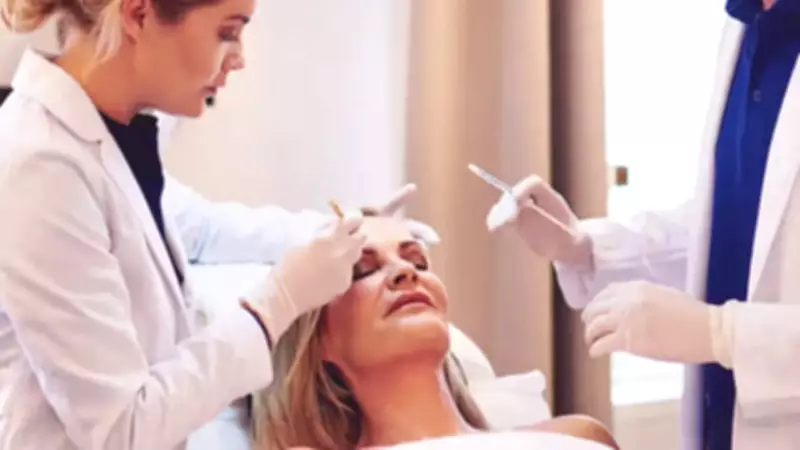
The UK Health Security Agency (UKHSA) has issued a warning after several suspected cases of botulism were linked to cosmetic Botox injections, primarily in Leeds. This has raised concerns about the safety of beauty jabs, prompting health experts to advise the public on how to minimize risks. Botulism is a rare but serious condition caused by toxins that can affect the nervous system, leading to muscle weakness, breathing difficulties, and other severe symptoms. While Botox treatments are generally safe when performed correctly, unlicensed products and unqualified practitioners can lead to dangerous outcomes. Here are five key things to keep in mind if you are considering cosmetic injections.
What Happened?
In 2025, doctors in Leeds and northern England reported an unusual spike in botulism cases linked to anti-wrinkle injections. At least 38 cases were identified, with some patients requiring hospitalization. Investigations traced the source to unlicensed practitioners using fake or illegally imported Botox products. In 2026, two more suspected cases emerged in Leeds, according to the UKHSA. The agency is working with healthcare providers to identify the source of the outbreak and urges the public to prioritize safety.
What is Botox?
Botox is a purified form of botulinum toxin that is injected into facial muscles to temporarily reduce wrinkles. When administered by a trained professional in a controlled setting, it is considered safe. However, the rise of cheap deals on social media and unregulated practitioners has increased risks. Botox is a prescription-only medicine in the UK and should only be used under medical supervision.

What is Botulism?
Botulism is a rare disease caused by toxins from Clostridium botulinum bacteria. In cosmetic treatments, the same toxin is used in precise doses. If the product is fake or improperly injected, the toxin can spread, causing symptoms like droopy eyelids, slurred speech, difficulty swallowing, blurred vision, and breathing problems. Symptoms may appear days or weeks after treatment and can require hospitalization for breathing support.
UKHSA Warning
The UKHSA has flagged dozens of cases across England, with Leeds as a current hotspot. Officials are investigating the source and urge the public not to panic but to stay informed. The key message is to choose practitioners carefully and verify products. Below are five tips for safe Botox treatments.
1. Prioritize Quality
Always verify the qualifications of your practitioner. Botox should be prescribed and administered by a trained medical professional, such as a doctor, nurse prescriber, dentist, or pharmacist with aesthetic training. Avoid practitioners who cannot provide proof of credentials.
2. Check the Product
Ask to see the product packaging, including the brand name and expiry date. Ensure it is licensed for use in the UK. Unlicensed or counterfeit products may contain incorrect dosages or contaminants.
3. Avoid Cheap Deals
If a deal seems too good to be true, it probably is. Safe injectables require trained professionals, regulated products, and hygienic conditions. Avoid bargain sessions at hotel rooms or Botox parties.
4. Watch for Symptoms
After treatment, monitor for unusual symptoms like muscle weakness, breathing issues, difficulty swallowing, or slurred speech. These could indicate botulism and require immediate medical attention.
5. Research the Clinic
Do not rely solely on social media popularity. Look for real-world reviews and ensure the clinic is properly regulated. Discuss risks and aftercare with the person who will perform the injection.
By following these guidelines, you can reduce the risk of complications and ensure a safer experience with cosmetic injections.

