

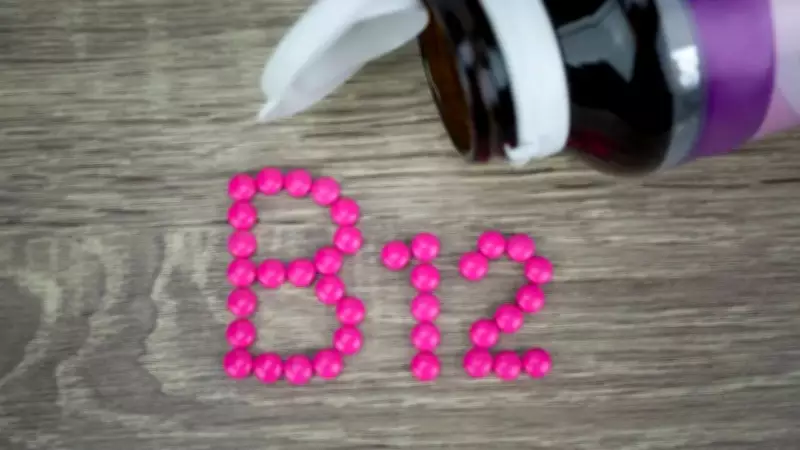
Vitamin B12 Supplement Allergy: A Brief Overview
Vitamin B12 supplements are often promoted as wellness essentials for energy, brain health, nerve function, and metabolism. Millions of people take B12 tablets, sprays, gummies, or injections each year, especially vegetarians, vegans, older adults, and those with certain medical conditions. For most, B12 is safe and necessary. However, some doctors and researchers highlight that B12 can cause rare but serious allergic reactions, particularly when injected. Many people are unaware of this risk.
True vitamin B12 allergies are uncommon, but research and case studies confirm their existence, especially with injectable cyanocobalamin or hydroxocobalamin. Symptoms range from mild itching or rash to severe breathing difficulties and, in rare cases, life-threatening anaphylaxis. The danger lies in people dismissing early warning signs as ordinary skin issues or food reactions. With B12 supplements trending, doctors emphasize understanding both benefits and risks.
What Is Vitamin B12?
Vitamin B12, or cobalamin, is essential for red blood cell production, nerve health, and DNA synthesis. It forms the protective myelin sheath around nerves, ensuring proper brain and nerve function. B12 works with folate to support cell division, particularly in bone marrow where red blood cells are made. It also helps process fats and proteins for energy.

The human body cannot produce B12, so it must come from diet (meat, fish, eggs, dairy) or supplements. Vegans, vegetarians, older adults, individuals with digestive disorders like Crohn's disease, and those on certain medications for diabetes or heartburn are prime candidates for supplementation. People who have undergone gut surgery may also need extra B12.
What Is a Vitamin B12 Allergy?
Doctors typically prescribe B12 injections for severe deficiencies because they bypass the digestive system for direct absorption. However, most allergic reactions occur with injections rather than oral supplements. A major study in the Journal of Allergy and Clinical Immunology: In Practice confirmed that allergies to both cyanocobalamin and hydroxocobalamin are rare but real.
The causes vary. Some individuals react to cobalt, a natural component of B12. Others may be sensitive to preservatives or additives in injectable solutions. In some cases, the immune system mistakenly treats B12 as an invader. In the UK, people with known cobalt allergies are advised to exercise caution with B12 supplements or shots.
A Real-Life Case: When B12 Went Wrong
Dr. Obaidur Rahman shared a dramatic case on Instagram. A 25-year-old vegetarian woman experienced persistent fatigue, dizziness, brain fog, tingling in her feet, thinning hair, and breathlessness. For months, she attributed these symptoms to stress. A blood test eventually revealed severe B12 deficiency.
Instead of consulting a doctor, she followed social media advice to take B12 injections for instant energy. She self-administered a shot without medical supervision, potassium testing, or understanding the risks of rapidly correcting a major deficiency. When someone is severely B12-deficient, the body stops producing healthy red blood cells. A high-dose injection can suddenly stimulate bone marrow, causing rapid red blood cell production that depletes potassium. Her potassium levels crashed (hypokalemia), leading to palpitations, weakness, chest pain, and eventually cardiac arrest.
The danger was not B12 itself but correcting a deficiency too quickly without medical oversight. Injectable B12 can also rarely cause allergic reactions, anaphylaxis, breathing trouble, or sudden blood pressure drops. The key takeaway: severe deficiencies require proper medical supervision. Anyone considering B12 shots should first get blood tested, understand the cause of deficiency, consult a doctor, and avoid self-treatment based on online advice.
What Are the First Signs of a B12 Allergy?
Allergic reactions vary widely. Mild symptoms include itching, redness, hives, acne-like bumps, swelling, nausea, dizziness, diarrhea, or facial flushing. Severe reactions may involve wheezing, throat tightness, chest pain, rapid heartbeat, breathing difficulty, or swelling of the lips and tongue. Rarely, anaphylaxis can occur, which is a medical emergency.

Several studies document dramatic reactions, such as anaphylactic shock immediately after an intramuscular injection or severe allergy after only the second dose. Although rare, doctors remain vigilant when administering injectable B12.
What Are the Safety Measures?
Despite these risks, B12 is crucial for health. Untreated deficiency can lead to nerve damage, extreme fatigue, numbness, memory lapses, depression, balance issues, anemia, confusion, and psychiatric symptoms. In rare cases, severe deficiency causes major neurological complications.
People with other allergies, asthma, eczema, or known cobalt sensitivity should be cautious. For first-time B12 shots, monitor your body closely, especially after initial doses. Consult a healthcare provider immediately if you experience trouble breathing, facial swelling, fainting, chest pressure, or severe rash. Do not ignore persistent mild reactions such as skin issues, swelling, or gastrointestinal problems. Seek professional advice rather than relying on internet searches.
