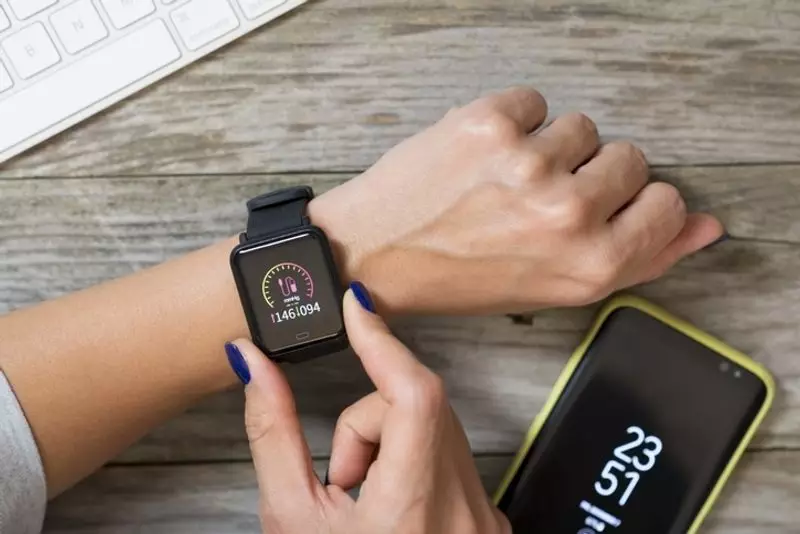
A groundbreaking new study has projected an explosive growth trajectory for wearable health technology, forecasting that its global usage could multiply by a staggering 42 times by the year 2050. This surge signals a fundamental shift in how individuals monitor and manage their health, moving from reactive care to continuous, proactive wellness.
The Research: Quantifying the Wearables Boom
The findings originate from a comprehensive analysis conducted by researchers at the Institute for Health Metrics and Evaluation (IHME) at the University of Washington. Published in the prestigious medical journal The Lancet, the study provides a detailed, long-term forecast for the adoption of various health technologies. The research specifically highlights the category of wearable devices—such as smartwatches and fitness rings that track heart rate, physical activity, and sleep patterns—as a major driver of this technological transformation in personal healthcare.
According to the study's models, the number of people using these connected health tools will see unprecedented growth over the next three decades. This isn't a gradual increase but a veritable explosion in adoption, pointing towards a future where continuous health monitoring becomes a ubiquitous part of daily life for billions of people across the globe, including in populous nations like India.

Implications for India and Global Healthcare
This projected 42-fold expansion carries profound implications for public health systems, medical professionals, and individuals. For a country like India, with its vast population and diverse healthcare challenges, the proliferation of wearable tech offers significant opportunities. These devices can empower users with real-time data about their own bodies, potentially enabling earlier detection of health issues like irregular heart rhythms (arrhythmias), sleep disorders, or drops in blood oxygen levels.
The study suggests that this data deluge could fundamentally alter the patient-doctor relationship. Instead of relying solely on infrequent check-ups, physicians may gain access to rich, longitudinal datasets showing trends in a patient's vital signs over weeks or months. This could lead to more personalized and preventive medical interventions. However, the research also cautions that this future hinges on addressing critical challenges such as data privacy, security, ensuring device accuracy, and bridging the digital divide to prevent health inequities from widening.
Beyond Wearables: A Broader Digital Health Revolution
While wearables are a standout, the IHME study examines a broader spectrum of digital health innovations. It also forecasts substantial growth in other areas, including the use of telemedicine and robotic surgeries. This indicates that the wearables boom is part of a larger, interconnected digital health ecosystem that is rapidly evolving.
The convergence of these technologies—where data from a wearable can be seamlessly shared with a doctor via a telemedicine platform—promises to make healthcare more accessible, efficient, and data-driven. For Indian consumers and the domestic tech industry, this represents a massive market opportunity and a chance to innovate in creating affordable, culturally relevant health tech solutions.
In conclusion, the study paints a clear picture: the future of health is wearable, connected, and data-centric. The 42-fold growth forecast by 2050 is not just a statistic; it is a roadmap for a revolution in preventive healthcare. As these devices become smarter, more affordable, and more integrated into medical practice, they hold the potential to improve health outcomes on a global scale, making individuals active participants in their own well-being journey.