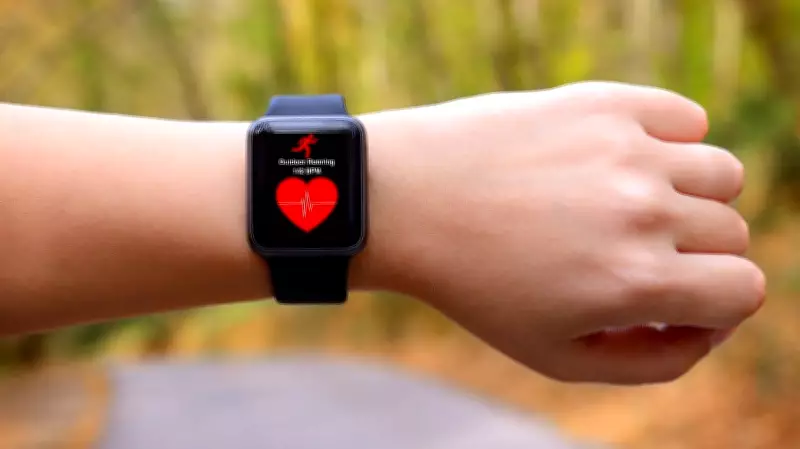
With a vast global population using smartwatches as daily wearables to track clinical parameters, it is worth asking whether this information is beneficial for everyone. The constant stream of data on heart rate, blood pressure, and other vitals can lead to increased anxiety rather than improved health outcomes.
The Rise of Wearable Health Technology
Smartwatches and fitness bands have become ubiquitous, offering users real-time insights into their bodies. Features like blood pressure monitoring, electrocardiograms, and sleep tracking are now common. However, for some individuals, this constant monitoring may trigger unnecessary worry.
Potential Negative Effects
- Health Anxiety: Seeing fluctuations in heart rate or blood pressure can cause distress, especially in those prone to anxiety.
- Overdiagnosis: Wearables may flag benign variations as abnormal, leading to unnecessary doctor visits and tests.
- Data Overload: The sheer volume of information can be overwhelming, making it hard to distinguish between normal and concerning readings.
Expert Opinions
Health professionals emphasize that wearables are tools, not diagnostic devices. Dr. Sarah Johnson, a cardiologist, notes: "These devices are great for tracking trends, but they are not a substitute for medical advice. People should not panic over minor fluctuations."

Studies have shown that while wearables can encourage physical activity, they may also increase stress levels. A 2025 survey found that 30% of smartwatch users reported feeling anxious about their health data.
Who Should Be Cautious?
Individuals with pre-existing anxiety disorders or those who are overly focused on health metrics may be more susceptible to negative effects. It is important to use these devices mindfully and consult a doctor if symptoms arise.
Tips for Healthy Use
- Set boundaries: Avoid checking your device constantly.
- Focus on trends: Look at long-term patterns rather than single readings.
- Seek professional guidance: Use data to inform, not self-diagnose.
Ultimately, wearable health trackers can be valuable tools when used correctly. But they are not for everyone. Understanding your own relationship with health data is key to reaping benefits without falling into anxiety.