Tragedy Strikes NFL: Dallas Cowboys' Marshawn Kneeland Dies at 24
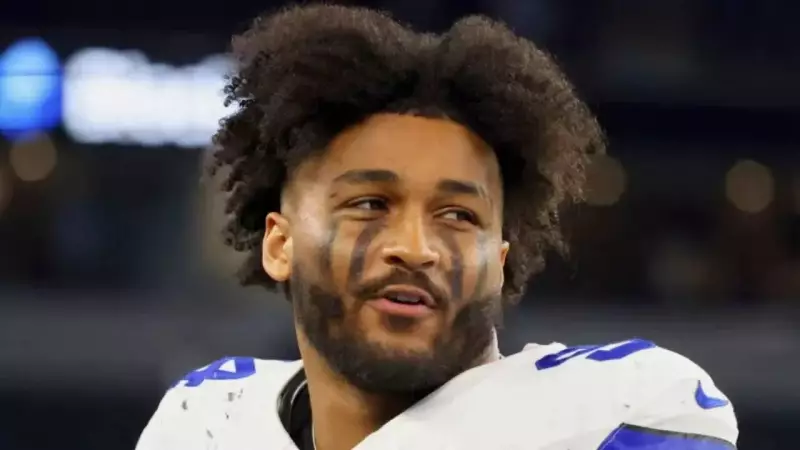
The National Football League community is mourning the devastating loss of Dallas Cowboys defensive end Marshawn Kneeland, who died Wednesday night at just 24 years old. Police confirmed the young athlete died from an apparent self-inflicted gunshot wound, sending shockwaves through the sports world and reigniting critical conversations about mental health in professional sports.
The tragedy struck mere hours after Kneeland celebrated what should have been the pinnacle of his young career - scoring his first NFL touchdown just two days earlier. This heartbreaking timeline has left fans, teammates, and coaches struggling to comprehend how someone who had just achieved a lifelong dream could be in such profound emotional pain.
The Final Hours: A Harrowing Timeline
According to official police reports and dispatch audio, the sequence of events began around 10:30 p.m. on Wednesday when Department of Public Safety troopers attempted to stop a vehicle on the Dallas North Tollway near Keller Springs. Video footage from North Texas Tollway Authority showed troopers chasing a speeding car, though investigators noted the trooper eventually lost visual contact.

Minutes later, the same vehicle registered to Marshawn Kneeland was discovered crashed off the Dallas Parkway near The Star, the Cowboys' headquarters in Frisco. Initial reports indicated that Kneeland had left the scene on foot, prompting an immediate search operation.
The situation took a more urgent turn when officers received information that Kneeland had expressed suicidal thoughts. Plano police visited the apartment listed to the vehicle around 11 p.m., found no one inside, and returned at 11:40 p.m. after receiving another welfare call, but still made no contact.
The search ended tragically at 1:30 a.m. when Frisco police discovered Kneeland with what appeared to be a self-inflicted gunshot wound. The Tarrant County Medical Examiner later confirmed the cause of death as suicide.
Mental Health Crisis Revealed Through Dispatch Audio
TMZ published disturbing police dispatch audio that directly referenced Marshawn Kneeland's mental health crisis. Operators relayed critical information from both Kneeland's girlfriend and the NFL organization.
His girlfriend informed police that Kneeland was armed, had a history of mental health struggles, and had told officers he would "end it all." Dispatchers additionally revealed that the NFL had notified Plano Police Department that Kneeland had been texting his family goodbye messages.
Police later confirmed he was found in a portable toilet, with all reporting matching the official timeline of events. The heartbreaking details paint a picture of a young man in profound distress, despite his professional success.
Football Community Reacts With Grief and Support
The Dallas Cowboys organization released an emotional statement expressing their devastation: "It is with extreme sadness that the Dallas Cowboys share that Marshawn Kneeland tragically passed away this morning. Marshawn was a beloved teammate and member of our organization. Our thoughts and prayers regarding Marshawn are with his girlfriend Catalina and his family."
Eagles head coach Nick Sirianni opened his press conference by addressing the tragedy, stating, "The NFL is a brotherhood, you know, and so obviously that was on our mind this morning. And our thoughts and prayers go out to, you know, his family and the and the Dallas Cowboys."
Former Cowboys defensive coordinator Mike Zimmer expressed his shock, noting he could have named countless players he worried about before ever imagining Marshawn Kneeland would be in crisis. Former assistant defensive line coach Greg Ellis called Kneeland a "second son" and described the emotional impact of watching him score his touchdown off a blocked punt just days earlier.
Ellis poignantly noted that walking back into the locker room next week and seeing Kneeland's empty space would hit the team hard. Both coaches highlighted the additional difficulty of the timing, as the Dallas Cowboys are currently spread out during their bye week.

The grief extended across the league, with Tampa Bay Buccaneers wide receiver Sterling Shepard stating, "It hurts your heart… this is the real-life stuff people go through."
San Francisco 49ers defensive lineman Solomon Thomas, who lost his sister to suicide, wrote a moving tribute: "I wish you knew it was going to be OK… I wish you knew how bad we wanted you to stay."
Fans gathered at The Star, leaving candles, flowers, and handwritten signs in tribute. Many who had met Kneeland after Monday Night Football expressed that the loss felt deeply personal.
Agent's Heartbreaking Tribute
Marshawn Kneeland's agent, Jonathan Perzley of Sportstars, posted his own emotional statement: "I am shattered to confirm that my client and dearest friend Marshawn Kneeland passed away last night."
He added, "I watched him fight his way from a hopeful kid at Western Michigan with a dream to being a respected professional for the Dallas Cowboys. Marshawn poured his heart into every snap, every practice, and every moment on the field."
NFL's Ongoing Mental Health Battle
The Marshawn Kneeland mental health conversation, while tragically highlighted by this event, is not new within the league. The NFL and NFLPA mandated in 2019 that every team must have a licensed behavioral health clinician on staff. The Indianapolis Colts launched their "Kicking The Stigma" initiative in 2020 to address mental health issues.
Former Philadelphia Eagles star Brian Dawkins spoke publicly about his own battles with depression and suicidal thoughts during his Hall of Fame induction, helping to break the stigma around mental health in sports.
This tragedy hits particularly close to home for several NFL figures. Dallas Cowboys quarterback Dak Prescott lost his brother Jace to suicide in 2020. Defensive tackle Solomon Thomas lost his sister Ella in 2018. Marshawn Kneeland's death has painfully reopened those wounds for many in the football community.
While the NFL has more mental health resources than ever before, this devastating event underscores the persistent gaps that still exist in identifying and supporting athletes in crisis.
The facts are confirmed, the reactions are genuine, and the grief is palpable throughout the sports world. The Marshawn Kneeland mental health conversation will not fade away because, as this tragedy demonstrates, it cannot afford to. The league, teams, and fans must continue working to ensure that no other young athlete feels so alone in their struggle.