Gen Z Embraces 'Anxiety Bag' Trend as Portable Coping Kit for Stress and Panic Attacks
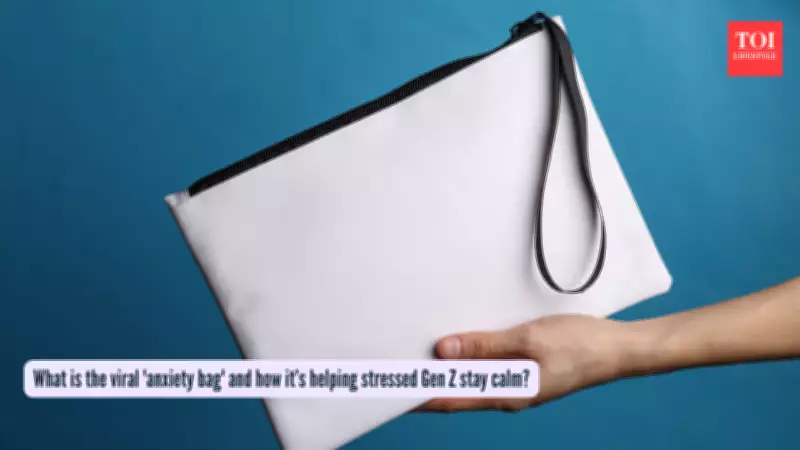
Generation Z is experiencing higher levels of anxiety than nearly any previous generation, leading many young people to adopt a simple, low-tech solution known as the "anxiety bag." This unique concept has rapidly evolved into a major trend, gaining immense popularity across social media platforms worldwide.
What Exactly Is an Anxiety Bag?
An anxiety bag is essentially a small, portable kit filled with carefully selected items designed to help individuals manage panic attacks, overstimulation, or everyday stress, particularly when they are away from home. The contents vary significantly based on personal needs, but common items include:
- Mints or chewing gum
- A cold pack or ice pack
- Sour candies or strong-flavored treats
- Fidget toys or stress balls
- A simple notebook or journal
- Essential oils or calming scents
- Small plush toys or comfort objects
According to HerCampus, an anxiety bag represents "a small, intentional stash of items designed to help you regulate when things feel overwhelming." It functions as a "portable calm kit" that can be utilized during lectures, exams, commutes, or any high-stress situations that arise throughout the day.

Many individuals create these bags with guidance from therapists or by drawing inspiration from online sources, then customizing them by adding or removing items until they achieve the perfect personal fit.
Why Is Generation Z Turning to Anxiety Bags?
Generation Z has earned the nickname "the anxious generation" due to the widespread reporting of stress and panic in their daily lives. A 2023 Gallup survey, frequently cited in mental health discussions, revealed that nearly half of individuals aged 12 to 26 often or always experience feelings of anxiety.
Another survey involving 1,000 Americans aged 18 to 26 found that approximately 61 percent reported having a diagnosed anxiety condition, while 43 percent stated they experience panic attacks at least once monthly. For many young people, traditional coping mechanisms like mindfulness or breathing exercises prove insufficient during overwhelming moments in crowded environments or stressful scenarios.
Real-Life Impact and Personal Testimonials
Hannah Fowles, a 22-year-old from Provo, Utah, shared her experience with The New York Post, explaining how she and her therapist developed a "small, grab-and-go kit" after discovering the concept on TikTok. "Within 10 minutes, I was able to calm down and go to sleep," Fowles recounted. "It normally doesn't happen that quickly... I never would have thought to have these things until I made the bag. It's been a game-changer—I use it all the time."
The Science Behind Anxiety Bag Effectiveness
Dr. Jenny Martin, a clinical psychologist and founder of Gemstone Wellness in Chicago, explained to The New York Post how rapid sensory interventions can interrupt escalating arousal in the nervous system. Holding an ice pack, sucking on sour candy like Warheads, or even sniffing an alcohol wipe can provide immediate sensory distraction.
"In general, anxiety bag items work by shifting attention away from anticipatory thought loops back into the present—back into the body," said Dr. Martin, who has helped patients assemble these kits. "None of these tools resolve underlying anxiety, but they can be surprisingly effective in acute moments, especially when paired with broader skills like cognitive reframing or exposure work."

How to Create Your Own Anxiety Bag
- Identify Your Triggers: Begin by recognizing what typically triggers your anxiety, such as crowds, loud noises, or specific situations, to select tools that directly address those moments.
- Engage Multiple Senses: Pack a few small items that stimulate your five senses, including fidget toys, cold packs, strong-flavored candies, calming scents, and comforting photos or notes.
- Keep It Simple: Maintain a lightweight bag focused only on items you genuinely use and benefit from, avoiding the temptation to overload it with unnecessary gadgets.
- Test and Refine: Experiment with your items during calm moments at home to determine which ones help you feel grounded, removing or replacing anything that proves ineffective.
- Use as Support: Employ the anxiety bag as a supplementary tool alongside professional mental health support, gradually reducing reliance as you build confidence in your coping abilities.
Avoiding Overdependence on Anxiety Bags
Dr. Vinay Saranga, a psychiatrist and founder of the North Carolina Institute of Advanced NeuroHealth, emphasized to The New York Post that while anxiety bags are valuable tools, they should not become permanent crutches. "The anxiety bag is a great idea to help patients with anxiety and panic attacks," Dr. Saranga stated.
"In time, however, the goal with recovery is to gradually reduce the number of items you carry—maybe down to one or two that fit in your purse or pocket—or even learn to go without the bag so you don't become completely reliant on it," he added, highlighting the importance of developing internal coping mechanisms alongside external tools.