

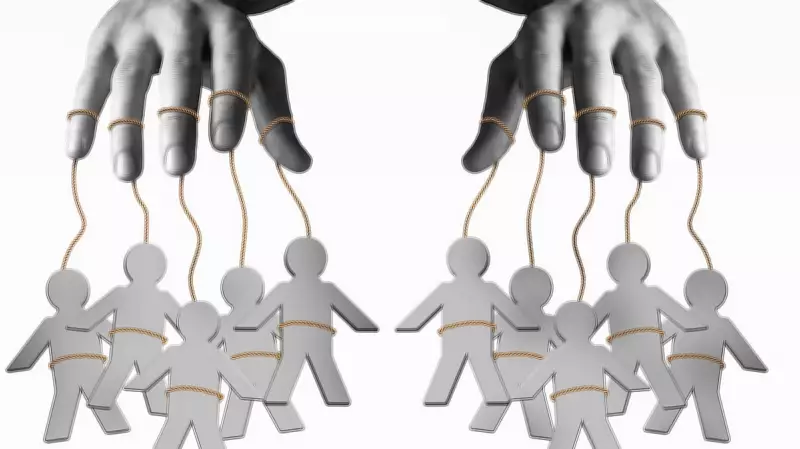
Gaslighting is a subtle yet devastating form of psychological manipulation that can cause victims to question their own perception of reality. Experts warn that this behavior, often perpetrated by friends, partners, loved ones, colleagues, or even public figures like actors and politicians, can lead to severe mental health issues.
What is Gaslighting?
Gaslighting involves a perpetrator systematically undermining a victim's confidence in their own memory, perception, and sanity. The term originates from the 1938 play 'Gas Light,' in which a husband manipulates his wife into believing she is losing her mind. Today, it is recognized as a common tactic in emotional abuse, domestic abuse, and manipulative relationships.
Signs of Gaslighting
Experts identify several key signs of gaslighting, including:

- The perpetrator denies events that the victim clearly remembers.
- They trivialize the victim's emotions, saying things like 'you're too sensitive.'
- They shift blame onto the victim for their own abusive behavior.
- They isolate the victim from friends and family.
- They present a false narrative that contradicts the victim's reality.
Psychological Impact
Gaslighting can have profound psychological effects. Victims often experience anxiety, depression, low self-esteem, and a sense of confusion. In severe cases, it can lead to psychiatric symptoms requiring psychosocial intervention. The constant manipulation erodes the victim's trust in their own mind, making them increasingly dependent on the perpetrator.
Why Do People Gaslight?
Experts suggest that gaslighters often seek power and control over others. They may have narcissistic tendencies or deep-seated insecurities. By destabilizing their victim, they maintain dominance in the relationship. Public figures may use gaslighting to manipulate public perception or deflect criticism.
How to Address Gaslighting
Recognizing gaslighting is the first step. Victims are advised to:
- Trust their own feelings and perceptions.
- Keep a journal to document events and conversations.
- Seek support from trusted friends, family, or a psychologist.
- Set firm boundaries with the perpetrator.
- In extreme cases, consider ending the relationship or seeking legal protection.
Mental health professionals emphasize the importance of psychosocial intervention and therapy for recovery. Gaslighting is a serious form of mental harassment that should not be ignored. If you or someone you know is experiencing gaslighting, reaching out for help is crucial.






