

Vitamin D deficiency is a silent yet widespread health concern across India. While sunlight is a primary source, dietary intake plays a crucial role, especially for individuals with indoor lifestyles. The recommended daily intake is around 600 IU for most adults and 800 IU for older adults. A simple, often overlooked solution lies in a common kitchen ingredient: mushrooms. Their unique ability to be seamlessly integrated into everyday Indian cooking makes them a powerful tool for boosting vitamin D levels without disrupting your routine.
Boost Nutrition Before You Even Cook
An incredibly effective trick requires minimal effort. Before cooking, place your fresh mushrooms with their gills facing upwards under direct sunlight for just 20 to 30 minutes. This brief exposure significantly enhances their natural vitamin D content. You can then proceed to cook them normally. This age-old method is perfectly suited to Indian homes, leveraging abundant sunlight to quietly elevate the nutritional value of your meal without altering taste or texture.
Effortless Integration into Daily Meals
The key is to make mushrooms a habitual part of your diet. Here are several practical and delicious ways to achieve that:

1. The Quick Everyday Stir-fry: A fast mushroom stir-fry is a perfect side dish. Slice mushrooms thickly, sauté them with oil, garlic, cumin (jeera), and pepper. This versatile preparation pairs perfectly with dal-rice, roti, or even as a lunchbox component. Mushrooms absorb flavors beautifully, making even simple seasoning satisfying.
2. Stuffed in Parathas and Rotis: For a discreet nutritional upgrade, finely chop or grate mushrooms, sauté to remove moisture, and mix with spices like coriander powder and carom seeds (ajwain). Use this mixture as a stuffing for parathas or knead it directly into your whole wheat flour (atta) for soft rotis. This method is excellent for children, as the mushrooms blend seamlessly into the bread.
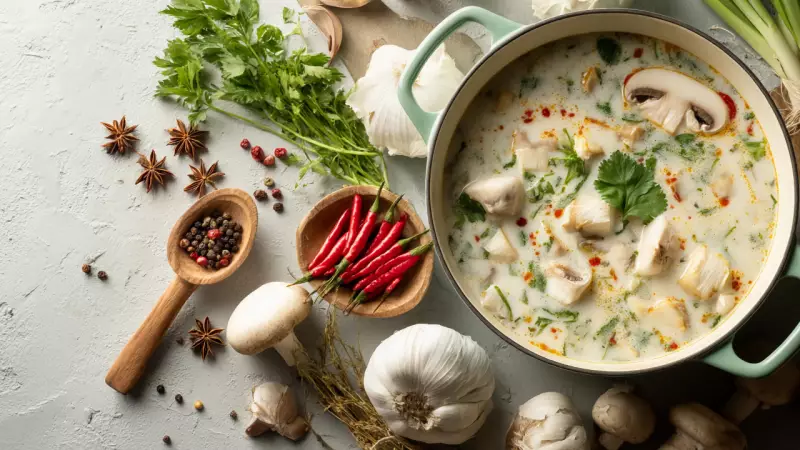
3. Comforting Mushroom Soup: On cloudy days or during monsoon when sun exposure is low, a warm mushroom soup is ideal. Sauté mushrooms with onions or ginger, add water or stock, simmer, and blend lightly. Mushrooms provide a natural, creamy umami richness without needing actual cream. Enjoy it with toast or as a light evening snack.
Fresh and Simple Additions
4. Raw Mushroom Salad: If you have very fresh and well-cleaned button mushrooms, they can be eaten raw. Thinly slice and toss them with lemon juice, olive oil, salt, and pepper. Add cucumbers, paneer, lettuce, or carrots for extra crunch. The lemon juice aids nutrient absorption and balances the earthy flavor.
5. Mix into Existing Dishes: The simplest approach is to add chopped mushrooms to dishes you already cook. Enhance your omelettes, scrambled eggs, dals (like moong or chana), or everyday tomato-based curries. They work wonderfully in lightly spiced gravies where they retain a pleasant texture. This requires no change to your cooking routine—your plate remains familiar but is nutritionally richer.
By adopting these straightforward methods, you can transform mushrooms from an occasional vegetable into a consistent source of vital vitamin D. The goal is not to overhaul your diet but to make smart, simple additions that collectively make a significant impact on your nutritional well-being.






