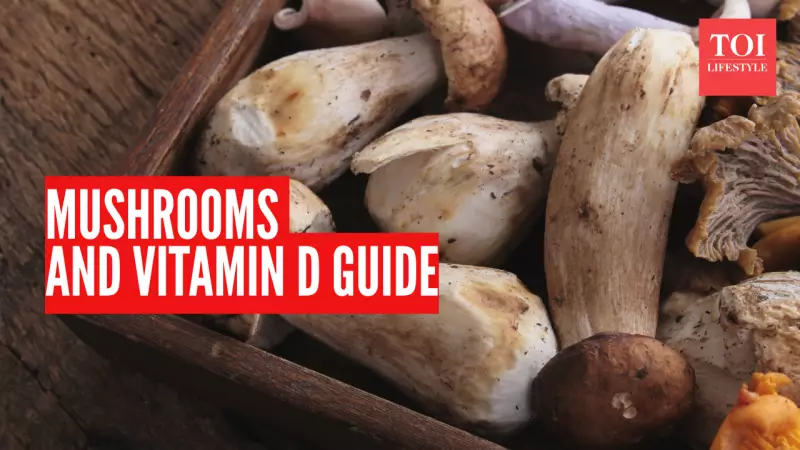
In a surprising twist for healthy eating, mushrooms have emerged as a potent, natural source of vitamin D, often called the sunshine vitamin. However, not every mushroom on your plate offers the same nutritional punch. The vitamin D content in fungi is highly variable, influenced by factors like the specific variety, growing conditions, and even the cooking techniques used in your kitchen.
What Determines Vitamin D Levels in Mushrooms?
The secret behind a mushroom's vitamin D potential lies in its exposure to light. According to authoritative information from The Nutrition Source by Harvard T.H. Chan School of Public Health, mushrooms contain a compound named ergosterol. When this ergosterol is exposed to ultraviolet (UV) light, it transforms into vitamin D2, a form exclusive to plants. This crucial process means that mushrooms cultivated in dark, indoor environments—like many common supermarket varieties—contain minimal vitamin D unless they are specifically treated with UV lights during growth.
Top Mushroom Picks for Maximum Vitamin D
The disparity in vitamin D content between wild and cultivated mushrooms is staggering. Research estimates cited by Harvard indicate that fresh wild mushrooms can provide up to 1200 International Units (IU) of vitamin D per 3.5-ounce (100-gram) serving. In stark contrast, popular varieties grown in darkened conditions, such as white button, shiitake, and oyster mushrooms, typically contain less than 40 IU per same-sized serving.

For those seeking the richest natural sources, experts point to two standout wild varieties: Chanterelles and Morels.
Chanterelles: The Golden, Fruity Fungi
Easily recognizable by their vibrant golden-yellow to orange hue and distinctive funnel shape, Chanterelle mushrooms are a forager's treasure. They are celebrated not just for their looks but for their unique, fruity aroma, often compared to the scent of fresh apricots, which adds a delightful layer to their culinary appeal.
Morels: The Honeycomb Delicacy
Morels, sometimes referred to as sponge mushrooms, are another excellent choice. They are distinguished by their iconic, ridged, and pitted cap that resembles a honeycomb. Their color can vary widely from a light golden yellow to deep dark brown or black, depending on the specific species and their growing environment.
Preserving Vitamin D Through Cooking Methods
Your journey to harnessing vitamin D from mushrooms doesn't end at selection; how you cook them is equally vital. The cooking method can significantly influence how well the mushrooms retain their precious vitamin D content. To maximize nutritional benefits, opt for quicker cooking techniques like sautéing or grilling over high heat for a short duration, rather than prolonged boiling or stewing, which may lead to greater nutrient loss. Incorporating these vitamin D-rich mushrooms into your diet is a simple, natural step towards supporting bone health and overall wellness.