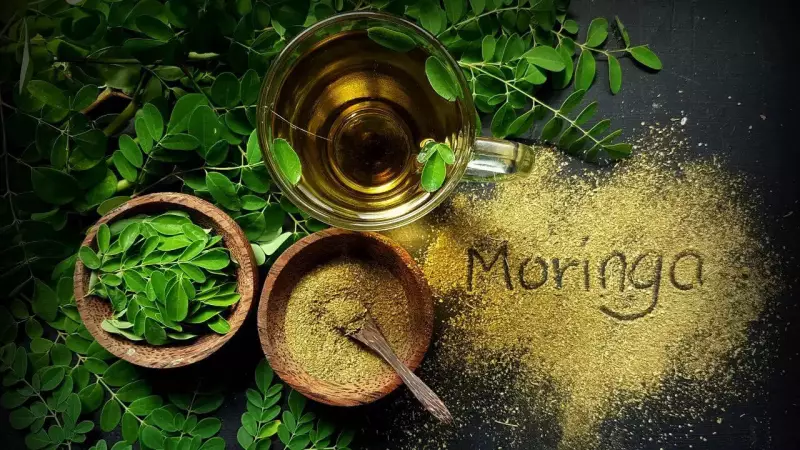
For generations, the Moringa oleifera tree has been a quiet but powerful staple in the kitchens and home remedies of communities across Asia, Africa, and the Middle East. Its leaves, often consumed raw, cooked, or dried, have been cherished not for their flavour but for their dense nutritional profile. Today, as the world seeks sustainable and potent plant-based nutrition, this humble leaf is stepping into the global spotlight, with the traditional practice of chewing raw Moringa leaves gaining particular interest for its health-supportive potential.
From Traditional Remedy to Modern Superfood
The shift towards functional foods and sustainable nutrition has propelled Moringa into mainstream consciousness. In developed nations, where diets are often dominated by processed foods, scientists and nutritionists are increasingly looking at age-old practices like chewing raw Moringa leaves. This method is one of the least processed ways to consume the plant, offering a direct, whole-food source of essential vitamins and potent phytochemicals without the nutrient loss that can occur with heat treatment.
Three Science-Backed Benefits of Chewing Raw Moringa Leaves
Research points to several key areas where consuming Moringa leaves, especially by chewing them raw, can be advantageous for health. The act of chewing itself allows saliva enzymes to start breaking down plant fibres and helps extract heat-sensitive nutrients directly.

1. A Powerhouse of Essential Nutrients
Moringa leaves are celebrated for their exceptional nutritional density. They are rich in vital nutrients including vitamin A (as beta-carotene), vitamin C, calcium, potassium, iron, and essential amino acids. A study published in the International Journal of Molecular Sciences highlights how these nutrients function within a physiological diet. For instance, vitamin A supports vision and immunity, calcium and potassium are crucial for bone and muscle function, iron aids in haemoglobin production, and amino acids help repair tissues and regulate metabolism. This makes raw Moringa a valuable nutritional source, particularly in areas with limited access to diverse foods.
2. Supporting Metabolic and Blood Sugar Health
The plant contains specific compounds like isothiocyanates and flavonoids that positively influence the body's carbohydrate and fat metabolism. These compounds are associated with enhanced insulin sensitivity and reduced glucose absorption. Furthermore, the simple act of chewing leaves promotes slower eating, which can help prevent sharp spikes in blood glucose levels after meals. This slow, deliberate intake allows for better metabolic control, aiding in stabilising blood sugar and supporting healthier lipid profiles.
3. Boosting Antioxidant Defence and Immunity
Oxidative stress, caused by an imbalance of free radicals, can damage cells. Moringa leaves come loaded with antioxidants such as quercetin, chlorogenic acid, and beta-carotene, which combat these free radicals. This antioxidant action, combined with immune-boosting nutrients like vitamin C, provides robust support for the body's defence systems. The leaves also contain anti-inflammatory principles that help modulate the body's inflammatory response, promoting sustained cellular health.
How to Safely Incorporate Raw Moringa Leaves into Your Diet
To enjoy the benefits safely, start by washing a few fresh leaves thoroughly to remove dust. It's best to begin with a small amount to assess your tolerance, as overconsumption may lead to digestive discomfort for some. Chew the leaves slowly during a meal, not on an empty stomach, to facilitate digestion and nutrient absorption. Be aware that the leaves can have a bitter taste, which often mellows with the maturity of the leaf.
Important safety notes: While the leaves are generally safe in moderation, other parts of the plant like the root and bark can be toxic and must never be ingested. Individuals with pre-existing medical conditions or who are pregnant should consult a healthcare professional before use. Crucially, Moringa should not be used as a replacement for any prescribed medical treatment.