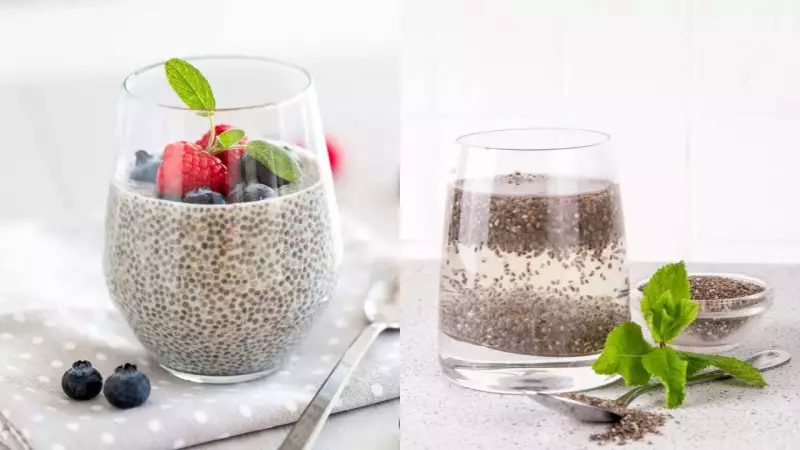
Chia seeds have become a staple in Indian kitchens, gym bags, and café menus, widely hailed as a simple superfood for weight management. However, if you've tried to follow this advice, you've likely encountered a common dilemma: should you soak them in plain water or stir them into milk? The choice isn't merely about taste; it fundamentally alters how these tiny seeds release nutrients, affect digestion, and influence your appetite and energy balance. Understanding these differences is key to making chia seeds work for your specific health goals, rather than assuming one method guarantees more weight loss.
The Science Behind Chia Seeds in Different Liquids
From a functional perspective, chia seeds are remarkably adaptable. When soaked in water, they form a light, neutral-flavoured gel that's easy to drink on its own. In contrast, when mixed with milk—be it dairy or plant-based—they create a thicker, pudding-like consistency. Scientific research has delved into how these forms affect nutrient release. A study published in Food Research International highlighted that hydration in water influences the release of lipids and essential fatty acids like omega-3 and omega-6. Meanwhile, separate research in Applied Food Research examined how chia seeds interact with protein-rich liquids like milk. The evidence suggests both methods are valid but serve different nutritional purposes; they are not in competition but are tools for distinct outcomes.
Nutritional Shift: Water Versus Milk
The nutritional profile of your chia seed preparation changes significantly based on the liquid you choose. Water-soaked chia seeds primarily contribute fibre, a small amount of healthy fats, and micronutrients, adding minimal calories and almost no protein. This makes them a low-energy additive ideal for appetite control without significantly boosting your calorie intake. On the other hand, milk-based chia preparations introduce additional protein, calcium, and often extra fats. While the protein enhances satiety and helps preserve lean muscle mass—a plus for weight management—it also increases the total calorie count of the serving. The core difference lies not in the seeds themselves, but in whether you need a light, fibrous supplement or a more substantial, nutrient-dense mini-meal.

Digestion, Blood Sugar, and Weight Loss Implications
The gel-forming fibre in chia seeds plays a crucial role in digestion. When consumed with water, this gel slows gastric emptying, promoting a prolonged feeling of fullness and potentially reducing snacking. With milk, the digestion process becomes more complex. The combination of the chia gel with milk proteins and fats results in a slower, more resource-intensive digestion, which can provide sustained energy over several hours but may feel heavier for some.
Blood sugar control is another critical factor for weight management. Water-soaked chia has a relatively neutral effect, with no added sugars, and can help moderate the absorption of carbohydrates from other foods eaten alongside it. Milk, however, contains natural sugars (lactose or plant-based sugars). Although the protein and fat in milk can blunt rapid glucose spikes, the overall glycaemic impact depends on portion size and timing. For some, milk-based chia helps prevent energy crashes; for others, the simplicity of water is preferable for minimal blood sugar disturbance.
Ultimately, for weight loss, the effectiveness of either method boils down to daily energy balance. Water-based chia drinks can act as an appetite suppressant, potentially leading to smaller meal portions later. Milk-based chia servings can function as a replacement for higher-calorie snacks or light meals. Neither approach guarantees weight loss on its own; success depends on whether the preparation leads to a net reduction in overall daily calorie intake or simply adds extra calories.

Practical Tips for Your Daily Routine
Incorporating chia seeds effectively means matching the preparation to your daily needs. For better appetite control, try soaking a tablespoon of chia seeds in a glass of water 20-30 minutes before your main meals. If you need a sustaining snack or a light breakfast, opt for a milk-based chia pudding, but be mindful of portion sizes to account for the extra calories from the milk. Your choice may also vary depending on your digestion sensitivity and energy requirements at different times of the day.