A quiet revolution has transformed Indian dinner tables, and the consequences are showing up in our health reports. Traditional meals of dal and rice have gradually been replaced by fried chicken and cheese-based dishes. The fresh home-cooked sabzi that once dominated our plates now competes with restaurant-style paneer tikka masala and butter paneer.
The Missing Fiber Crisis
What connects these modern food favorites is alarming: they contain zero fiber. This has created what nutrition experts call a fiber famine on urban Indian plates, representing one of the most overlooked nutritional imbalances in the country today.
Fiber often gets ignored in food trends and nutritional discussions. Since there's no immediate deficiency state associated with it, many don't consider it an essential nutrient. Yet fiber is arguably the most crucial missing component in urban Indian diets, and it's exclusively found in plant-based foods.

Why Fiber Matters for Your Gut Health
While urban Indians obsess over protein powders and vitamin supplements, this humble nutrient works quietly to orchestrate our entire digestive system. Our gut hosts trillions of microbes that break down fiber to produce short-chain fatty acids, which play multiple vital roles in the body including reducing inflammation.
When our diet lacks sufficient fiber, these beneficial bacteria decline rapidly. The vacuum gets filled by less desirable bacterial strains. Poor gut health doesn't just affect digestion—it impacts immunity, blood sugar control, and even mood regulation through the gut-brain axis.
Simple Solutions to Close the Fiber Gap
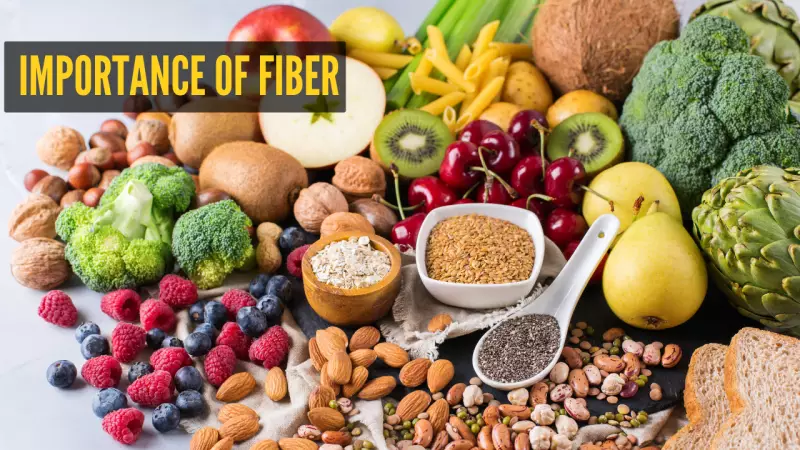
The good news is that the solution lies within our reach. Our everyday Indian staples already contain the prebiotic fibers that feed healthy gut microbes. Rajma, chana, moong, and masoor are excellent sources. Vegetables like lauki, tinda, bhindi, and leafy greens including spinach and amaranth also provide substantial fiber.
Fruits such as bananas, guavas, and papayas offer affordable and accessible prebiotics. Nutrition experts suggest that if every Indian household simply returned to eating two servings of dal and sabzi daily, we could close a significant portion of the fiber gap.
Here are practical strategies to boost your fiber intake:
Avoid animal products: Animal-based foods contain no fiber whatsoever. By minimizing these items, you create more space on your plate for fiber-rich plant foods like fruits, vegetables, whole grains, and legumes.
Make legumes your primary protein source: Beans, peas, and lentils rank among the best fiber sources available. Just half a cup of lentils provides 8 grams of fiber, taking you significantly closer to the recommended daily goal of 40 grams. When you replace meat with legumes, you get protein that comes with fiber and other essential nutrients rather than potential health risks.
Start meals with fiber: Begin every meal with a small salad or raw vegetables. This practice prepares your digestive system and guarantees you consume fiber with each eating occasion.
Mix it up: Combine different dals, prepare mixed vegetables, and create diverse salads. Mixing chana dal with moong or adding sattu or barley flour to whole-wheat flour diversifies your fiber types and feeds various beneficial bacteria.
Don't forget India's traditional probiotics either. Every Indian region has its fermented foods—whether it's idli and dosa batter, kanji, or homemade pickles. These complement fiber perfectly, creating an ideal environment for gut health.
While adding fiber-rich foods, consider reducing items that disrupt gut balance. Red meat, processed meat, and excessive fried foods can crowd out beneficial bacteria.
As India battles rising rates of diabetes, heart disease, and obesity, the gut represents an often-ignored frontline. A healthy plant-based diet can improve the health and diversity of your gut microbes, helping prevent and manage conditions like obesity, diabetes, heart disease, and inflammation associated with chronic diseases.
Contributed by: Dr. Zeeshan Ali, Nutrition Scientist, Physicians Committee for Responsible Medicine (PCRM)