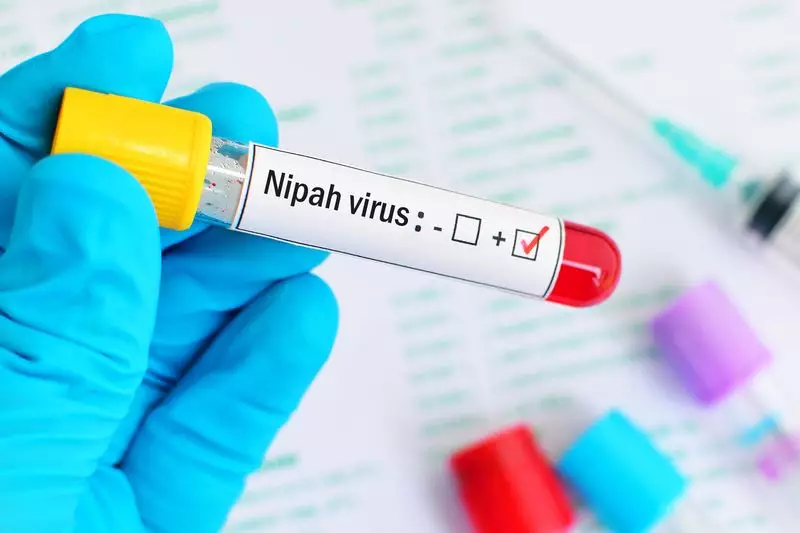
Health authorities in West Bengal are on high alert after two suspected cases of the deadly Nipah virus were detected at the All India Institute of Medical Sciences (AIIMS) in Kalyani. The institute has swiftly mobilised a dedicated response team to manage the situation, underscoring the seriousness with which the potential outbreak is being treated.
Suspected Cases and Immediate Hospital Response
The two individuals, whose samples have been sent for confirmatory testing, presented with symptoms consistent with a Nipah virus infection. In a prompt move to contain any possible spread, AIIMS Kalyani has activated its internal rapid response team. This team is tasked with implementing strict infection control protocols, tracing contacts, and managing the isolation of the suspected patients.
While awaiting the final test results from the National Institute of Virology (NIV) in Pune, the hospital administration is operating under the assumption of a positive diagnosis to ensure all precautionary measures are firmly in place. The state health department has been notified and is coordinating with the central authorities.
Understanding the Nipah Virus Threat
The Nipah virus is a zoonotic pathogen, meaning it spreads from animals to humans. Fruit bats of the Pteropodidae family are the natural reservoir host. Human infections can range from asymptomatic cases to acute respiratory illness and fatal encephalitis (brain inflammation). The virus has a high mortality rate, estimated between 40% to 75%, and there is no specific vaccine or drug available for treatment, making containment and supportive care critical.
Past outbreaks in India, particularly in Kerala, have demonstrated the virus's potential for rapid transmission through close contact with infected persons or contaminated substances. This history makes the current suspected cases in West Bengal a matter of urgent public health concern.
Broader Public Health Preparedness
The detection of these suspected cases has triggered a review of preparedness measures across the region. Health officials are emphasising surveillance and public awareness. Key actions being reinforced include:
- Enhanced surveillance in hospitals for patients with similar symptoms.
- Public advisories on avoiding consumption of raw date palm sap and fruits with bat bite marks.
- Guidance for healthcare workers on using personal protective equipment (PPE).
- Readiness of isolation facilities and logistics for sample transport.
The situation remains fluid as everyone awaits the conclusive test results from Pune. The response by AIIMS Kalyani highlights the critical importance of institutional readiness in facing emerging infectious disease threats. The coming days will be crucial in determining the scope of the threat and the effectiveness of the initial containment measures.