

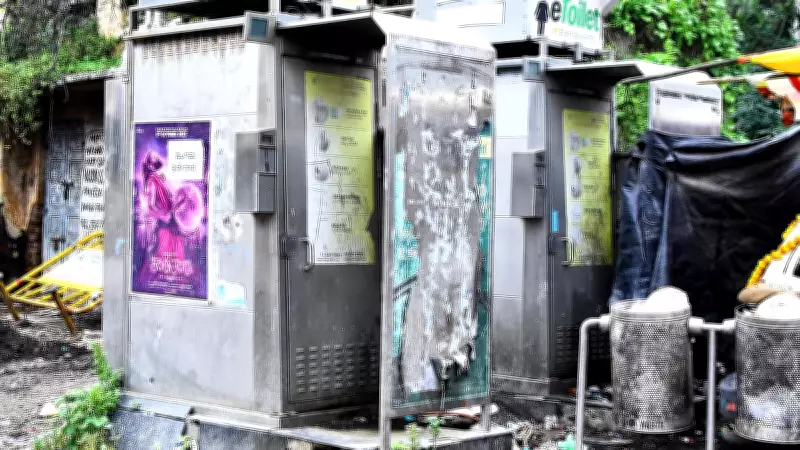
Survey Uncovers Persistent Open Defecation Despite Toilet Availability in Karnataka
A recent survey has revealed a concerning trend in Karnataka, where 27% of households that have access to toilets still prefer to practice open defecation. This finding underscores significant behavioral and cultural challenges that persist even after substantial infrastructure development under government sanitation programs.
Swachh Bharat Mission Achievements in Karnataka
According to official data, the Swachh Bharat Mission has led to the construction of over 54 lakh individual household latrines (IHHL) across both rural and urban areas in Karnataka. This massive effort represents a major investment in improving public health and sanitation infrastructure throughout the state.
The survey results indicate that simply building toilets is not enough to change long-standing habits. Despite having functional latrines available on their premises, more than a quarter of households continue to opt for open defecation practices. This gap between infrastructure provision and actual usage presents a critical challenge for sanitation authorities.

Understanding the Behavioral Gap
Experts suggest several factors may contribute to this disconnect:
- Cultural preferences and traditional practices that favor open spaces
- Inadequate maintenance of toilet facilities leading to poor usability
- Lack of awareness about the health risks associated with open defecation
- Insufficient water availability for proper toilet use and cleaning
- Social norms that have not shifted despite infrastructure improvements
The survey findings highlight the need for complementary behavior change communication alongside infrastructure development. Successful sanitation programs must address both the hardware (toilet construction) and software (behavioral aspects) components simultaneously.
Implications for Public Health Policy
This data comes at a crucial time as India continues its efforts to achieve universal sanitation coverage. The persistence of open defecation among households with toilet access suggests that:
- Monitoring and evaluation must go beyond counting constructed toilets to assess actual usage patterns
- Community engagement and education programs need strengthening
- Local solutions tailored to specific cultural contexts may be necessary
- Follow-up support for toilet maintenance and water availability is essential
The survey serves as a reminder that infrastructure alone cannot solve public health challenges without corresponding changes in community practices and attitudes. As Karnataka and other states continue their sanitation efforts, addressing this usage gap will be critical for achieving the full health benefits of improved sanitation facilities.






