

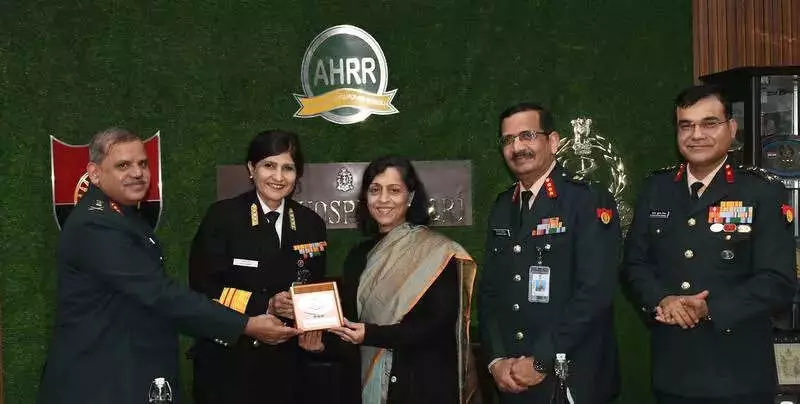
In a significant move to combat preventable blindness, the Armed Forces Medical Services (AFMS) has initiated a nationwide, artificial intelligence-powered community screening programme for diabetic retinopathy. This ambitious project aims to provide early diagnosis and timely treatment for retired military personnel, their families, and the general public across India.
Bridging the Critical Gap in Eye Care
Officials highlighted that the programme directly addresses a major shortfall in the country's healthcare system: the lack of reliable data and the late-stage detection of diabetic retinopathy (DR). Diabetic retinopathy is a leading cause of preventable blindness among people with diabetes. Brigadier S K Mishra, the project head, explained the core challenge, stating that definitive data on DR cases is scarce and many patients only seek help when the disease is already advanced.
"Early identification is therefore crucial," Brigadier Mishra emphasised. The initiative will see local AFMS units collaborate with district administrations to organise special screening camps, ensuring reach extends to rural and underserved communities where access to specialist eye care is limited.

How the AI-Powered 'MadhuNetrAI' Platform Works
Anchoring this initiative is 'MadhuNetrAI', a sophisticated web-based AI platform developed by the Dr Rajendra Prasad Centre for Ophthalmic Sciences (RPC) at AIIMS, New Delhi. The system, officially launched by Director General AFMS Vice-Admiral Arti Sarin and RPC chief Dr Radhika Tandon, enables large-scale community screening using cutting-edge technology.
The platform automates the screening, grading, and triaging of retinal images captured through portable handheld fundus cameras. This technological leap allows trained medical officers, nursing staff, and healthcare assistants to conduct effective screenings outside traditional hospital settings, dramatically increasing accessibility.
Strategic Rollout and Nationwide Impact
The programme will be rolled out in a phased manner. It will first launch across eight major cities: Pune, Mumbai, Bengaluru, Kochi, Jorhat, and three others, before expanding to other regions of the country.
Patients identified with diabetic retinopathy during these camps will be referred for comprehensive diabetes management. Those diagnosed with vision-threatening DR will be directed to vitreo-retina specialists at designated district hospitals. District health administrations will manage the referral pathways and integrate DR management with existing non-communicable disease programmes to ensure seamless continuity of care.
Beyond individual care, the AI platform is set to become a vital tool for public health strategy. MadhuNetrAI generates real-time data on disease prevalence and geographic distribution, helping authorities build a robust evidence base for informed policy formulation and targeted resource allocation.
To ensure the programme's success, specialised training has already commenced at RPC, AIIMS, New Delhi. Selected doctors and nursing assistants from AFMS units are undergoing certification. Once trained, they will act as master trainers to skill other healthcare personnel across the extensive AFMS network.
Brigadier Mishra described the initiative as a major milestone in using artificial intelligence for population-level health interventions. "With diabetes cases rising steadily across India, our initiative will serve as a model for technology-enabled community screening and early intervention, potentially reducing the burden of avoidable blindness nationwide," he stated. The programme marks a decisive step towards strengthening early detection while contributing to a real-time national health intelligence framework.






