

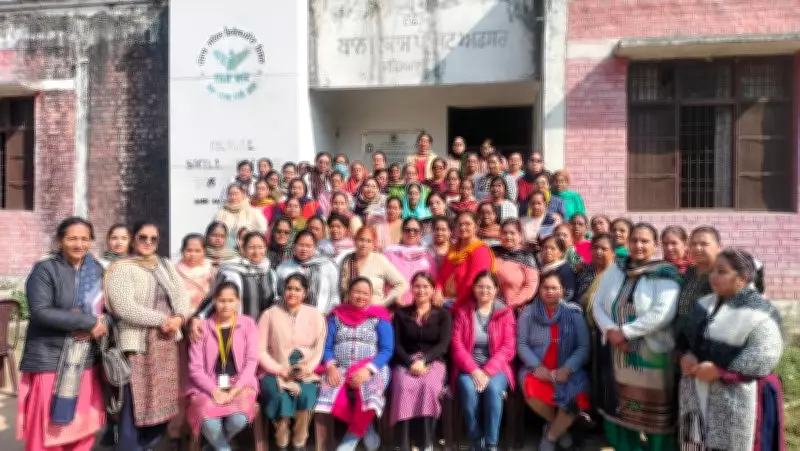
Amritsar Anganwadi Workers Enhance Skills with Poshan Programme Training
In a significant move to bolster child and maternal health services, Anganwadi workers in Amritsar have recently completed an intensive training session under the Government of India's flagship Poshan Abhiyaan (National Nutrition Mission). This initiative aims to equip frontline health workers with advanced knowledge and practical skills to address malnutrition and promote holistic development in young children.
Comprehensive Curriculum for Holistic Development
The training programme covered a wide array of critical topics designed to empower Anganwadi workers in their daily responsibilities. Key areas of focus included:
- Nutritional Guidelines: Detailed instruction on balanced diets, micronutrient supplementation, and the preparation of nutritious meals for children and pregnant women.
- Health Monitoring Techniques: Training on how to accurately measure and track growth parameters such as height, weight, and mid-upper arm circumference to identify signs of malnutrition early.
- Early Childhood Care and Education (ECCE): Methods to stimulate cognitive and motor development through age-appropriate activities and play-based learning.
- Community Engagement Strategies: Effective communication skills to educate families about hygiene, sanitation, and the importance of regular health check-ups.
Officials from the Women and Child Development Department emphasized that this training is a cornerstone of the Poshan Abhiyaan's goal to reduce stunting, undernutrition, and low birth weight by 2025. By enhancing the capabilities of Anganwadi workers, the programme seeks to create a robust frontline force capable of delivering quality services at the grassroots level.

Impact on Local Communities in Amritsar
The trained Anganwadi workers are now better prepared to implement the Poshan Abhiyaan's objectives within their respective communities in Amritsar. Their enhanced skills are expected to lead to:
- Improved Nutritional Outcomes: More effective identification and management of malnourished children through timely interventions.
- Increased Awareness: Greater dissemination of information regarding maternal health, breastfeeding practices, and immunization schedules.
- Strengthened Service Delivery: Enhanced coordination with local health centers and schools to ensure a continuum of care for children and mothers.
This training initiative underscores the government's commitment to leveraging Anganwadi centers as pivotal hubs for nutrition and health services. With over 50 workers participating in the Amritsar session, the programme is poised to make a tangible difference in the region's health indicators, particularly in rural and underserved areas.
Looking ahead, authorities plan to conduct follow-up sessions and provide ongoing support to ensure the sustained application of learned skills. The success of this training could serve as a model for similar programmes across Punjab and other states, contributing to the national effort to eradicate malnutrition and foster healthy development for future generations.






