Andhra Milk Contamination Case: Freezer Coolant Leak Suspected, Samples Sent to FSL
In a significant development concerning food safety in Andhra Pradesh, authorities are investigating a case of milk contamination that has raised serious health concerns. Preliminary investigations point towards a suspected freezer coolant leak as the potential cause of the contamination, prompting immediate action from local officials.
Suspected Coolant Leak Triggers Contamination Scare
The contamination was first detected during routine quality checks, where irregularities in the milk samples were noted. Upon further inspection, investigators identified a possible leak from a freezer's cooling system as the source of the contamination. This type of leak can introduce harmful chemicals into food products, posing severe risks to consumers if ingested.
Officials have emphasized that the situation is under control, with affected batches being isolated to prevent distribution. However, the incident has highlighted vulnerabilities in the storage and handling processes within the dairy supply chain, necessitating stricter oversight.

Samples Sent to Forensic Science Laboratory for Analysis
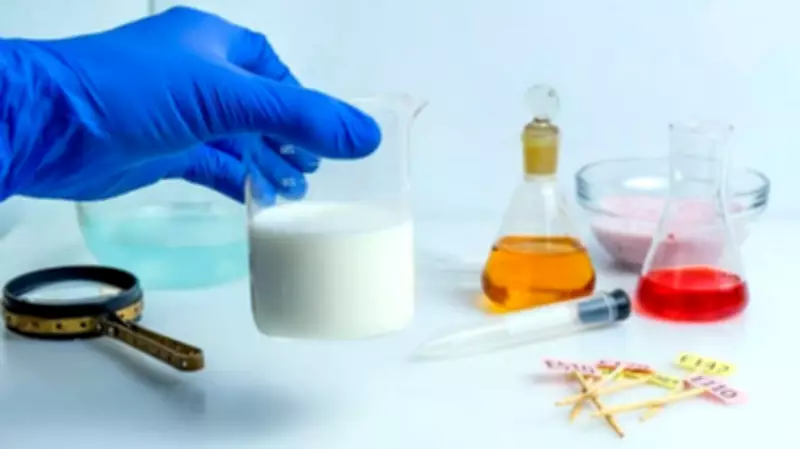
To ascertain the exact nature and extent of the contamination, samples of the tainted milk have been dispatched to the Forensic Science Laboratory (FSL) for comprehensive analysis. The FSL will conduct detailed tests to identify the specific contaminants, their concentration levels, and confirm whether the coolant leak is indeed the culprit.
This step is crucial for determining the health implications and guiding future preventive measures. Results from the FSL are awaited, and authorities have assured the public that updates will be provided promptly to ensure transparency and maintain trust.
Implications for Public Health and Safety
The milk contamination case in Andhra Pradesh underscores the importance of robust food safety protocols in the dairy industry. Contaminants from coolant leaks can include substances like glycol or ammonia, which are toxic and can lead to serious health issues such as gastrointestinal problems, kidney damage, or even long-term effects if consumed regularly.
Local health departments have been alerted, and consumers are advised to check the source of their milk products and report any unusual odors or tastes. This incident serves as a reminder for dairy producers to regularly maintain and inspect their equipment to prevent such occurrences.
Authorities Take Swift Action
In response to the contamination scare, Andhra Pradesh authorities have initiated a thorough review of dairy facilities across the state. Measures include enhanced monitoring of storage conditions, mandatory equipment checks, and training for staff on handling potential leaks.
The case is being treated with high priority, given the widespread consumption of milk and its role in daily nutrition. Officials have pledged to implement stricter regulations based on the FSL findings to safeguard public health and prevent similar incidents in the future.
As the investigation continues, stakeholders are urged to cooperate fully to ensure a swift resolution and restore confidence in the state's dairy products.