

In a decisive move to bolster its public health defenses, the Andhra Pradesh government has established a high-powered, state-level special task force committee. This body is specifically mandated to strengthen the prevention and control of communicable diseases across the state.
Committee Formation and Leadership
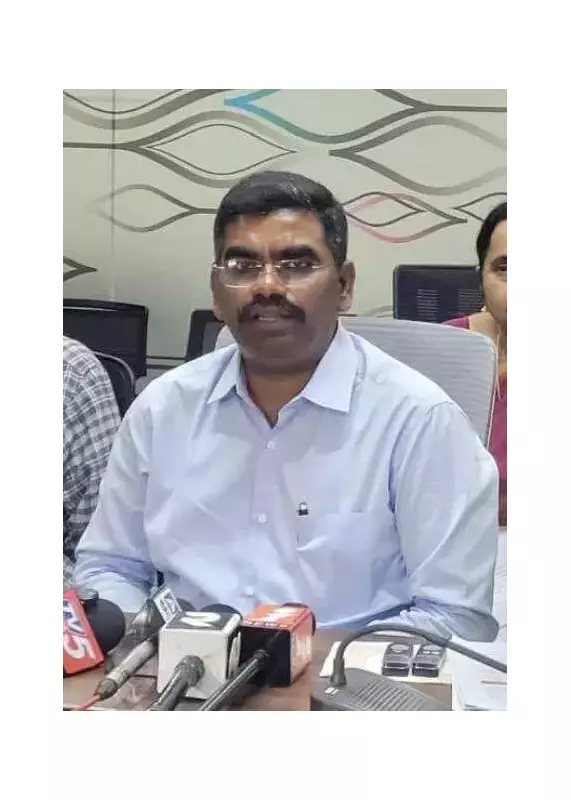
The decision to constitute this panel was announced in an official release on Monday. State Minister Y Satya Kumar Yadav revealed that the committee was formed following the direct directions of Chief Minister N Chandrababu Naidu. The task force will be headed by G Veerapandian, the Commissioner of Family Welfare, Medical and Health. This underscores the administration's top-level commitment to tackling health threats proactively.
Composition and Strategic Mandate
The committee is a robust assembly of 24 members, drawing expertise from a wide spectrum. It includes renowned specialists from premier national medical institutions alongside senior officials from key state departments. The diverse representation spans departments critical to a holistic health response, such as Animal Husbandry, Panchayat Raj, Municipal Administration, and Agriculture.

The primary mandate of the special task force is two-fold. Firstly, it will conduct a thorough review of all existing preventive measures aimed at averting outbreaks of communicable diseases. The diseases in focus include dengue, malaria, diarrhoeal diseases, tuberculosis, and leprosy, among others. Secondly, the committee is tasked with preparing a detailed strategic plan. This blueprint will outline immediate control measures to be deployed swiftly in the event of a sudden disease spread.
Experts and Officials On Board
The committee integrates top-tier medical expertise with administrative heft. The expert members include:
- Dr Himanshu Chauhan, Additional Director & Head, IDSP, CSU
- Dr George Varghese, Head, Dept of Infectious Diseases, Christian Medical College, Vellore
- Prof Dr Sumit Roy, Head, Dept of Clinical Microbiology, AIIMS-Mangalagiri
- Dr Judo Joseph, Medical Superintendent, JMJ Chest Centre-Thrissur
- Dr Chiranjay Mukhopadhyay, Professor of Microbiology, Kasturba Medical College
- Dr Saurabh, National Professional Officer, World Health Organization (WHO)
- Dr Kalpana, Senior Consultant, NCDC - Dengue Division, New Delhi
Senior government officials on the panel are:
- Dr Chakradhar Babu, Director, Secondary Health
- Krishnateja, Commissioner, Panchayat Raj Department
- Sampath Kumar, Commissioner, Municipal Administration Department
- Dr Manjeer Jilani, Commissioner, Agriculture Department
- Anuradha, Regional Director, Union Ministry of Health & Family Welfare
- Dr Kalyan Chakravarthy, Infectious Diseases Specialist, Guntur
Action Plan and Operational Framework
Minister Yadav elaborated that the committee's action plan will be comprehensive. It will cover several critical operational aspects to ensure a coordinated and effective response. The plan will address hospital preparedness, seamless inter-departmental coordination, and the implementation of Central government guidelines. Furthermore, it will clearly define the roles and responsibilities of Rapid Response Teams (RRTs), which are crucial for frontline action during outbreaks.
To ensure continuous oversight and adaptation, the committee will convene for a review meeting once every three months. In these meetings, members will assess the prevailing situation of communicable diseases in Andhra Pradesh, evaluate the effectiveness of ongoing control measures, and address any new or emerging public health concerns. This regular review mechanism is designed to keep the state's response agile and informed by the latest ground realities.
The formation of this multidisciplinary task force marks a significant step by the Andhra Pradesh government towards a more systematic, science-driven, and collaborative approach to public health security. It aims to create a resilient shield against infectious disease threats for the people of the state.






