

Andhra Pradesh Confronts Alarming Surge in Waterborne Disease Outbreaks
Health authorities in Andhra Pradesh are grappling with a concerning increase in acute diarrhoeal diseases across multiple districts, with recent investigations revealing the presence of dangerous drug-resistant bacteria in contaminated water sources. This marks a significant shift in the state's public health landscape, moving away from the previous dominance of vector-borne illnesses like malaria and dengue toward waterborne and foodborne infections.
Recent Outbreaks Across Multiple Districts
In Srikakulam district, nearly 150 acute diarrhoea cases were reported approximately one month ago, resulting in one fatality. Subsequent testing of drinking water samples from the affected area confirmed the presence of Escherichia coli (E. coli) bacteria, a key indicator of fecal contamination. A similar incident occurred in Chandapuram village of Nandigama, where about 30 people developed comparable symptoms suspected to be caused by either water contamination or food poisoning.
Earlier this year, multiple outbreaks were documented across the state. In February, around 80 students at the government tribal welfare ashram school in Devarapalli, Polavaram district, fell ill with diarrhoea, vomiting, and stomach ailments. January saw Sri Sathya Sai district report 30 diarrhoea cases linked to suspected food poisoning, while Ananthapuram recorded 22 such cases.

Serious Infections and Fatalities
Last September, a severe outbreak of melioidosis in Turakapalem village near Guntur resulted in several deaths. Health authorities confirmed the infection was caused by the bacterium Burkholderia pseudomallei. In another tragic incident, two students died and nearly 100 others contracted jaundice at a tribal welfare hostel in Manyam district, with the outbreak strongly suspected to have been caused by water contamination.
Systemic Water Quality Issues
Over the past three years, Andhra Pradesh has reported an average of approximately 900 cases annually of waterborne, foodborne, and cholera-related illnesses. Investigations into recent outbreaks have detected multidrug-resistant microorganisms in water and food samples collected from affected areas. These include not only Escherichia coli but also Klebsiella pneumoniae and Pseudomonas species.
The presence of these pathogens represents a significant public health concern. E. coli serves as a critical indicator of fecal contamination and can cause severe gastrointestinal illness, while Klebsiella and Pseudomonas are opportunistic pathogens capable of causing serious infections. The emergence of drug-resistant strains further complicates treatment protocols, substantially increasing the risk of hospitalization and mortality.
In some outbreaks, health authorities have also identified Vibrio cholerae, the bacterium responsible for cholera, which can lead to rapid dehydration and death if left untreated.
Government Identifies Multiple Systemic Failures
The state government has identified numerous systemic gaps contributing to these recurring outbreaks. Primary issues include fecal contamination of drinking water sources, leakages in pipelines particularly where they pass through drains, use of motors that create negative pressure allowing contaminants to enter water systems, inadequate chlorination procedures, and poorly maintained overhead tanks.
Additional aggravating factors include weak monitoring of water quality, delayed referral of patients to appropriate healthcare facilities, and initial treatment by unqualified rural medical practitioners. Underreporting of cases further obscures the true scale of the public health challenge facing the state.
Political Response and Accountability
Health Minister Satya Kumar Yadav, responding to questions raised in the legislative council, stated that adequate chlorination of drinking water had not been carried out for several years under the previous government. "I personally observed in Jaggayyapeta that a water filter had not been replaced for four years," Yadav revealed. "After the NDA government came to power, all necessary steps have been initiated to ensure that drinking water does not get contaminated."

Additional Recent Cases Highlight Ongoing Crisis
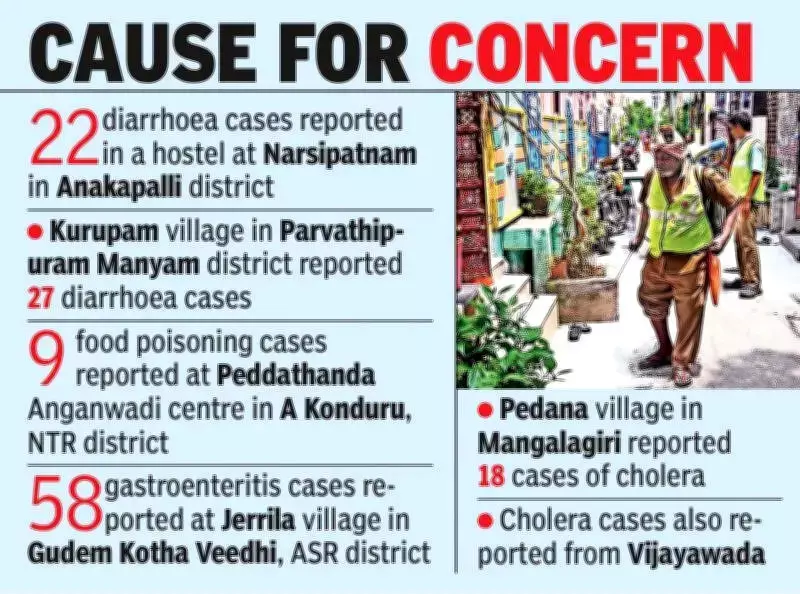
- 22 diarrhoea cases reported in a hostel at Narsipatnam in Anakapalli district
- Kurupam village in Parvathipuram Manyam district reported 27 diarrhoea cases
- 9 food poisoning cases reported at Peddathanda Anganwadi centre in A Konduru, NTR district
- 58 gastroenteritis cases reported at Jerrila village in Gudem Kotha Veedhi, ASR district
- Pedana village in Mangalagiri reported 18 cases of cholera
- Cholera cases also reported from Vijayawada
The cumulative evidence from these multiple outbreaks across Andhra Pradesh underscores an urgent need for comprehensive water quality management, improved sanitation infrastructure, and enhanced disease surveillance systems to address this growing public health crisis.





