

Bhopal Reports 15 Mosquito-Borne Disease Cases in First Two Months of 2026
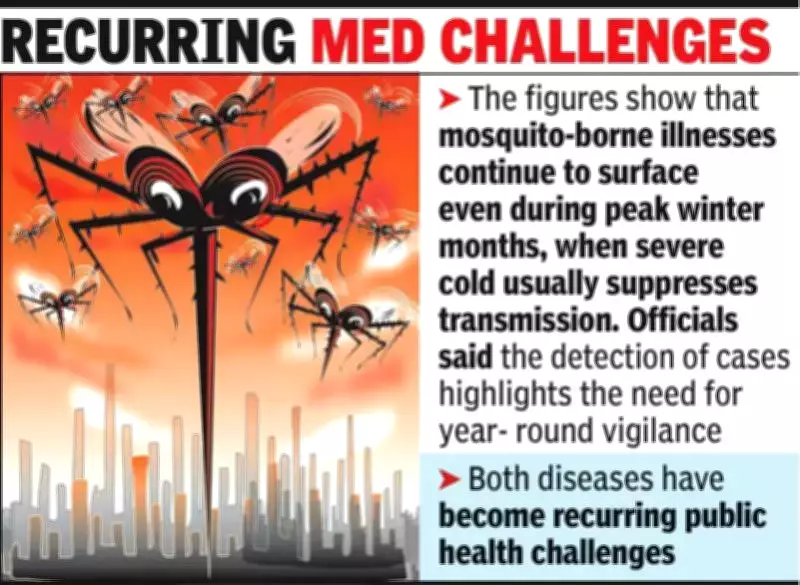
Official health data from Bhopal has revealed a concerning trend, with ten dengue cases and five chikungunya cases already reported in the city during January and February of 2026. This early-year surge underscores the persistent threat of mosquito-borne illnesses, even during peak winter months when colder temperatures typically suppress transmission.
Detailed Breakdown of Testing and Positivity Rates
According to the district malaria office (DMO) in Bhopal, the positivity rate for dengue stood at 2.7%, while chikungunya registered a significantly higher rate of nearly 5.5%. The data provides a granular look at the testing conducted:
- Dengue Testing: In January, 257 samples were tested, yielding seven positive cases. February saw 113 tests with three positives.
- Chikungunya Testing: For chikungunya, 72 samples were tested in January, resulting in three positives, while 29 samples were examined in February, confirming two positive cases.
Year-Round Vigilance Required Amid Recurring Challenges
Health officials emphasize that the detection of these cases in the winter months highlights the resilience of these infections and the critical need for year-round public health vigilance. While the numbers remain limited compared to peak transmission periods during monsoon and post-monsoon seasons, the presence of positives indicates that breeding sites and transmission pockets continue to exist in urban areas.

Public health experts are advising residents to take proactive measures, including eliminating stagnant water sources, using mosquito repellents, and seeking early testing for fever cases. The health department is expected to intensify surveillance efforts as temperatures rise in the coming months, a period when mosquito activity typically increases.
Broader Implications for Public Health Strategy
Both dengue and chikungunya have become recurring public health challenges in Bhopal and similar regions, with transmission often peaking during warmer, wetter seasons. However, this early-2026 data suggests that climate variations and urban conditions may be extending the risk window, necessitating updated strategies for disease control and prevention.
Officials note that while the current case counts are relatively low, they serve as a crucial reminder of the ongoing threat posed by mosquito-borne diseases. Continuous monitoring and community engagement are essential to mitigate outbreaks and protect public health throughout the year.






